

Monitor · ZOWIE by BenQActive · 660d
ZOWIE XL2586X+
Tenure: 2025-01-01 → PRESENT
size: 24" · g sync: No · freesync: No · panel tech: TN · resolution: 1920x1080 · aspect ratio: 16:9 · refresh rate: 600
ZOWIE by BenQCheck price ↗
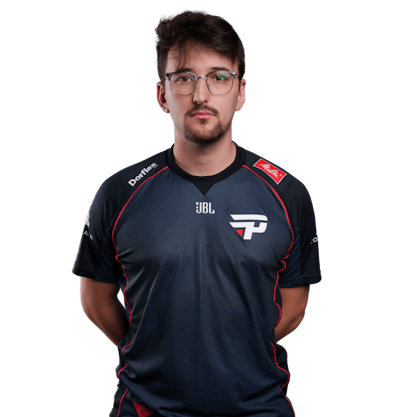

Rodrigo Bittencourt·BR· Age 29
Rodrigo Bittencourt is the in-game leader (igl) for paiN. $261,429 in career prize money.
biguzera CS2 crosshair code
CS3EOdKFaOULq3CBZMzrChTxyDv8qjXTSQUHhiJPmddhSa[01] — Settings & config · player_settings
Mouse, crosshair, viewmodel, video, HUD, OSD, driver and config — every row read from the verified settings file.
Last verified · Oct 18, 2026
Match biguzera's 700 eDPIto your own mouse DPI.
Your sensitivity
Formula
eDPI ÷ DPI
sensitivity 1.75biguzera's reference: 400 DPI × 1.75 sensitivity = 700 eDPI
Preview the live reticle on the active-duty map pool, then verify every geometry value and copy the share code.
See biguzera's exact crosshair on every active-duty map — Dust II, Mirage, Inferno, Nuke, Anubis, Ancient. Switch maps to preview the same reticle over each layout.
Share code verified
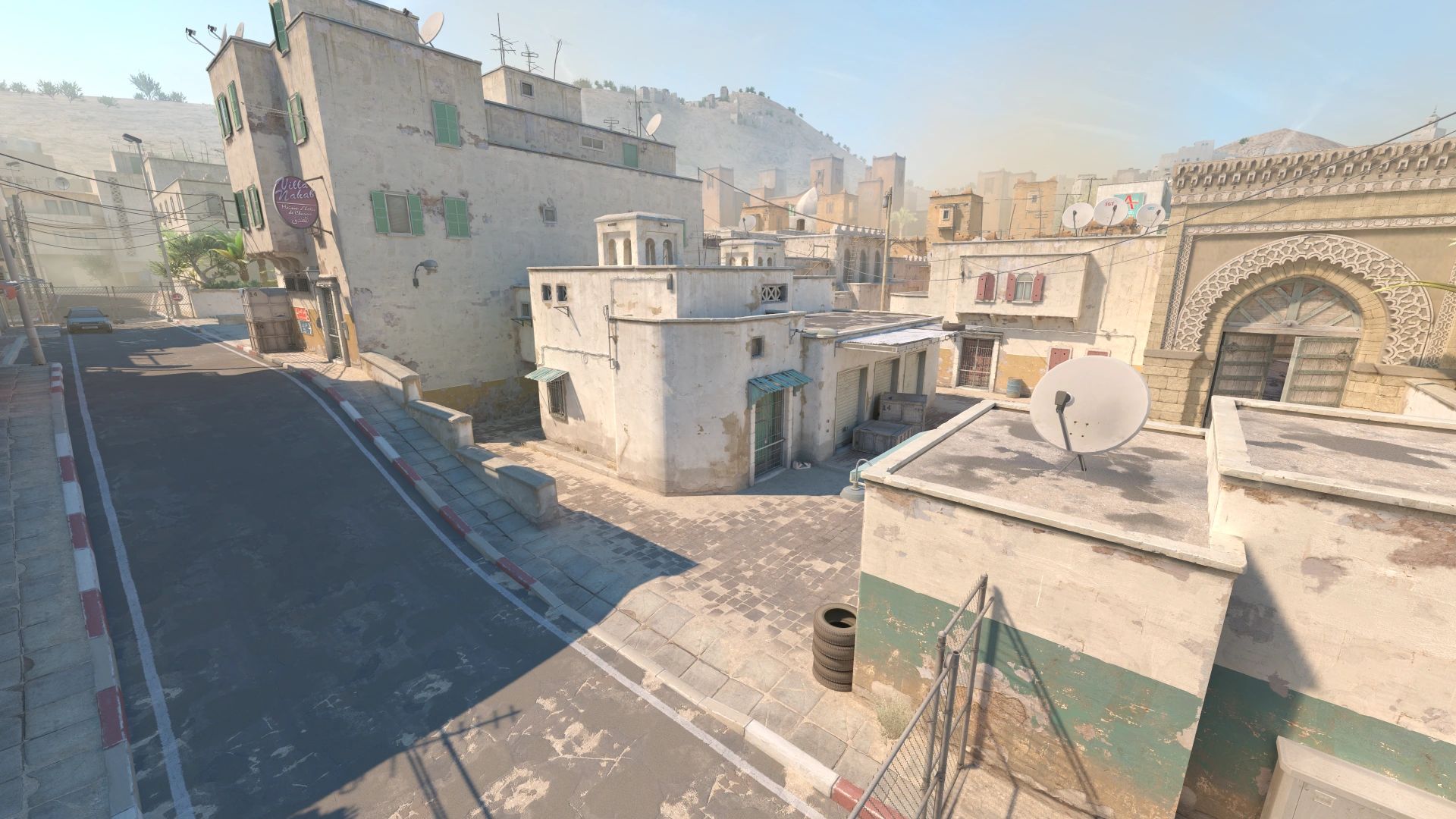
Color: RGB 0, 255, 167 (#00FFA7) · Size: 2 · Thickness: 2 · Gap: 1 · Dot: 0 · Outline: 0
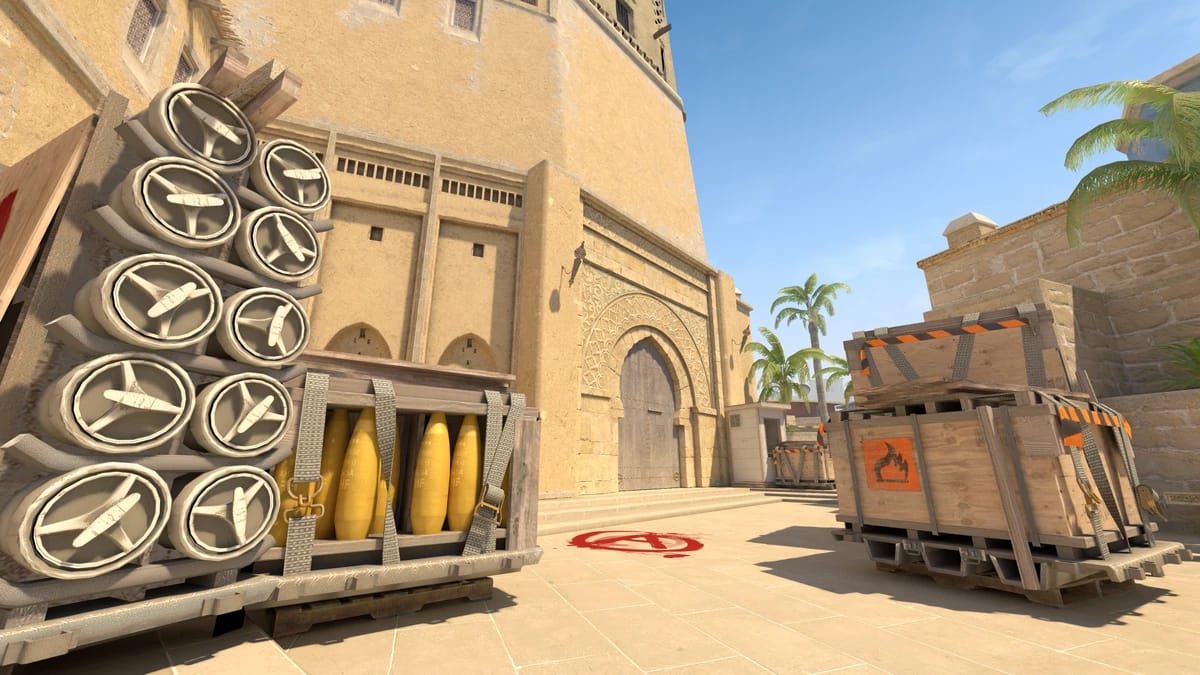
Color: RGB 0, 255, 167 (#00FFA7) · Size: 2 · Thickness: 2 · Gap: 1 · Dot: 0 · Outline: 0
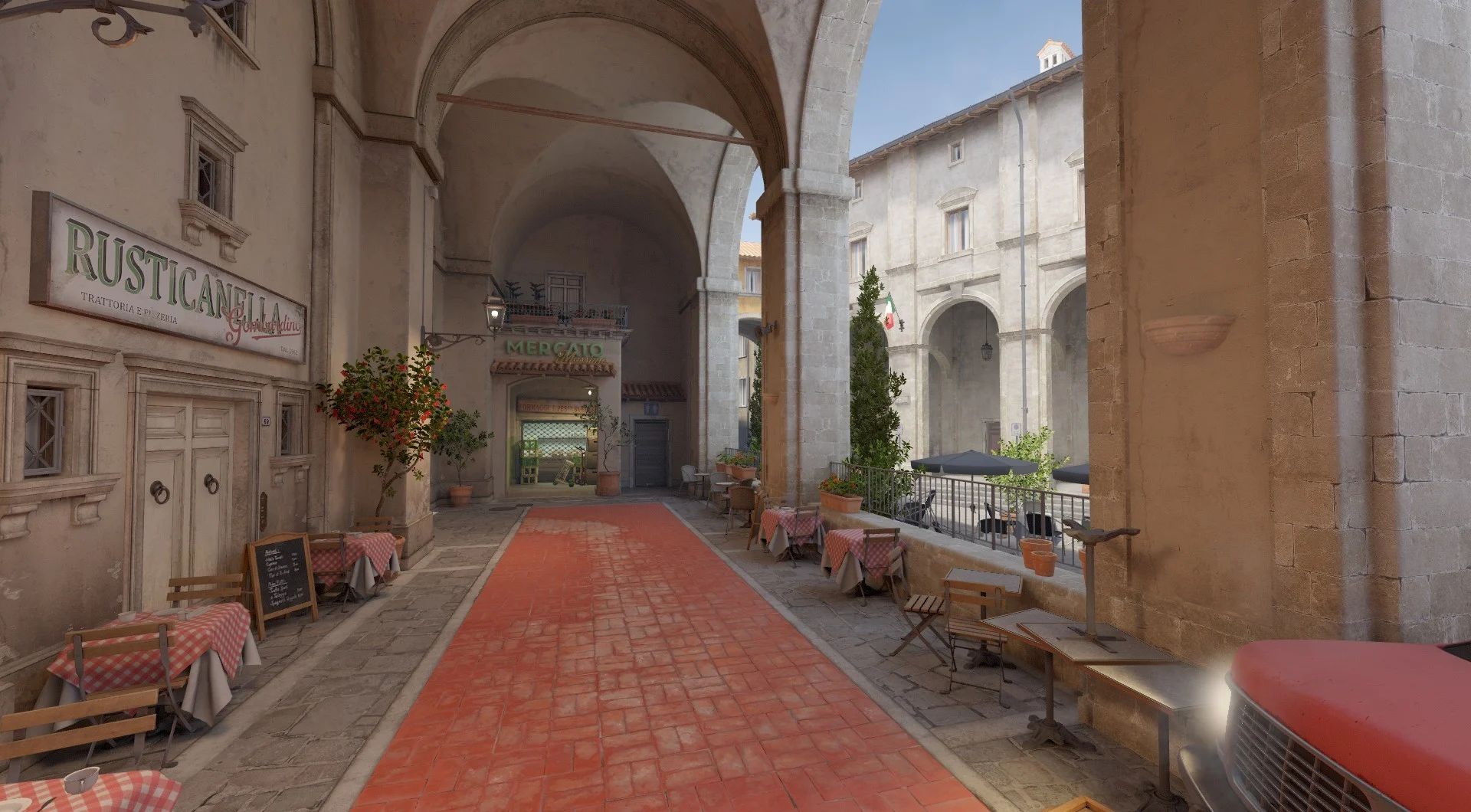
Color: RGB 0, 255, 167 (#00FFA7) · Size: 2 · Thickness: 2 · Gap: 1 · Dot: 0 · Outline: 0
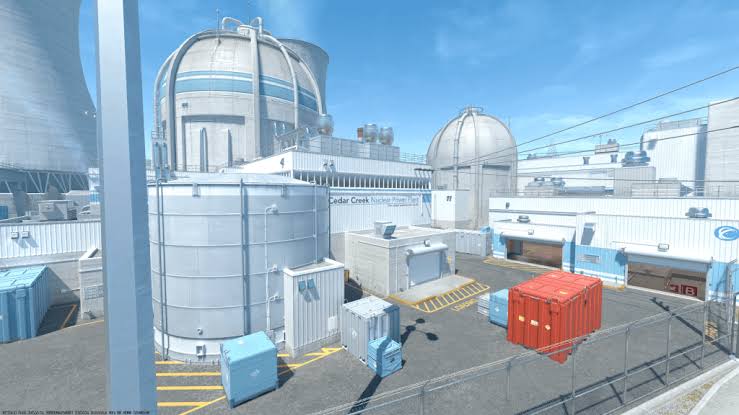
Color: RGB 0, 255, 167 (#00FFA7) · Size: 2 · Thickness: 2 · Gap: 1 · Dot: 0 · Outline: 0
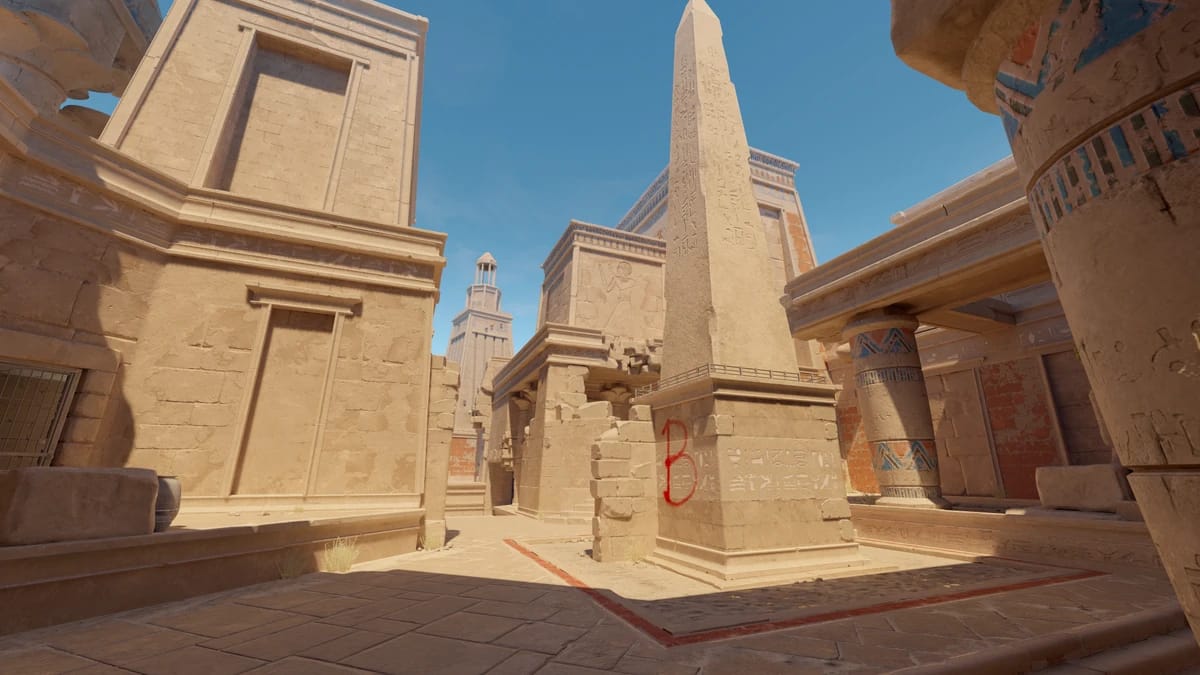
Color: RGB 0, 255, 167 (#00FFA7) · Size: 2 · Thickness: 2 · Gap: 1 · Dot: 0 · Outline: 0
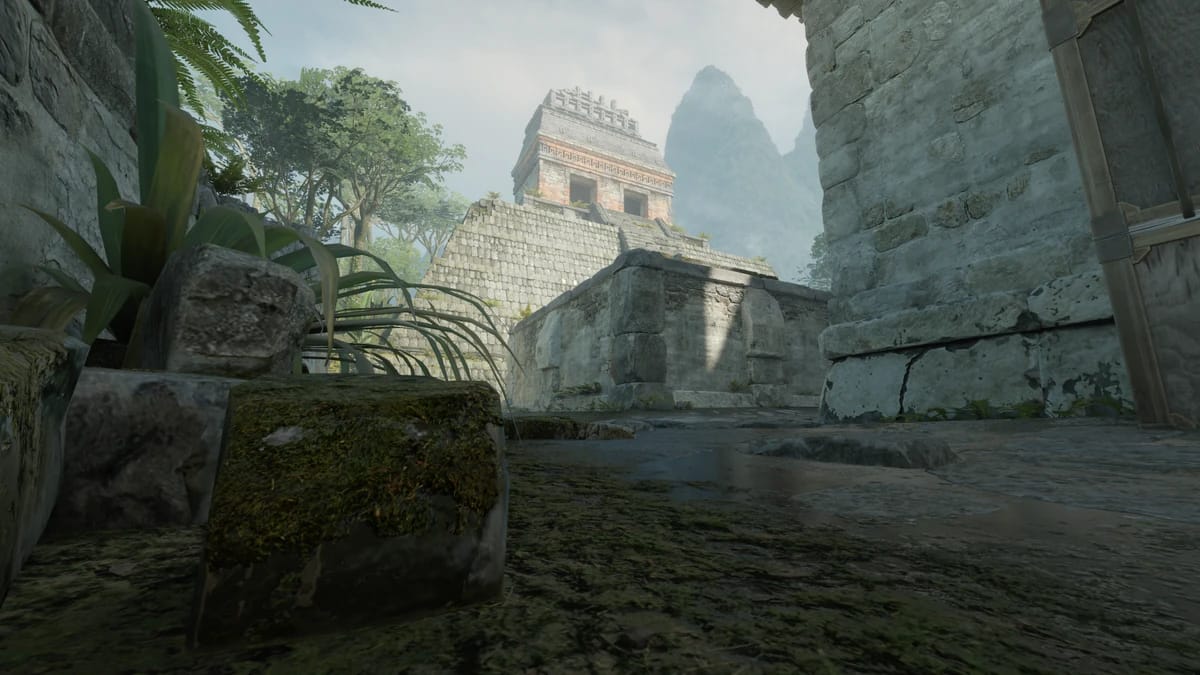
Color: RGB 0, 255, 167 (#00FFA7) · Size: 2 · Thickness: 2 · Gap: 1 · Dot: 0 · Outline: 0
CS3EOdKFaOULq3CBZMzrChTxyDv8qjXTSQUHhiJPmddhSaShare code
CS3EOdKFaOULq3CBZMzrChTxyDv8qjXTSQUHhiJPmddhSaStatic Cross · RGB 0, 255, 167
6 frame-pacing rows
viewmodel_fov 60; viewmodel_offset_x -1.5; viewmodel_offset_y 1; viewmodel_offset_z -1; viewmodel_presetpos 1;[02] — Gear & PC specs · player_gears
6 active · 0 retired. PC components, CS2 gaming gear and setup accessories, each with its verified tenure.
CS2 gaming gear
5 items
Tenure: 2025-01-01 → PRESENT
size: 24" · g sync: No · freesync: No · panel tech: TN · resolution: 1920x1080 · aspect ratio: 16:9 · refresh rate: 600

Tenure: 2025-01-01 → PRESENT
shape: Ergonomic · width: 6.9cm · height: 4.2cm · length: 12.9cm · sensor: PAW3950 · weight: 63g · connection: Wireless · polling rate: 125, 250, 500, 1000, 2000, 4000 · button switches: Huano

Tenure: 2025-01-01 → PRESENT
stitched edges: Yes

Tenure: 2025-01-01 → PRESENT
pcb: Hotswappable · rgb: Yes · width: 34.6cm · height: 2.84cm · length: 14.2cm · weight: 790g · switches: Lekker Linear 45 v2, Lekker Linear 60 v2, Lekker Tikken Light, Lekker Tikken Medium, Geon Raw HE, Wooting x TTC KOM · form factor: TKL

Tenure: 2025-01-01 → PRESENT
type: Closed-Back · connection: Wired · microphone: Non-Detachable · noise cancelling: No
Setup
1 item

Tenure: 2025-01-01 → PRESENT
material: Fabric · lumbar support: None, but lumbar pillow included · adjustable armrests: Yes · adjustable backrest: Yes · adjustable seat depth: No · adjustable seat height: Yes
[03] — Verified skins loadout · 21 items
Screenshot-verified loadout, priced at current market estimates.

Factory New (FN)

Factory New (FN)

Well-Worn (WW)

Minimal Wear (MW)

Factory New (FN)

Field-Tested (FT)

Battle-Scarred (BS)

Field-Tested (FT)

Minimal Wear (MW)

Minimal Wear (MW)

Field-Tested (FT)

Minimal Wear (MW)

Field-Tested (FT)

Minimal Wear (MW)

Well-Worn (WW)

Factory New (FN)

Minimal Wear (MW)

Minimal Wear (MW)

Factory New (FN)

Field-Tested (FT)

Factory New (FN)
[04] — Tactical profile · player_career_stats
career
recent 3 months
CT side
1.05
ADR 76.5 · KAST 71.8% · K-D 356:366
T side
1.01
ADR 71.5 · KAST 69.8% · K-D 316:338
Round economy
| Season | Rating 3.0 | ADR | K-D | Maps | Event wins |
|---|---|---|---|---|---|
| 2026 | 1.06 | 75.8 | 0.98 | 153 | 0 |
| 2025 | 0.99 | 72.1 | 1.00 | 204 | 0 |
| 2024 | 1.00 | 72.6 | 1.00 | 204 | 0 |
| 2023 | 1.02 | 74.5 | 1.00 | 204 | 0 |
| 2022 | 1.02 | 73.0 | 1.03 | 204 | 0 |
| 2021 | 1.00 | 71.9 | 0.97 | 204 | 0 |
| 2020 | 1.05 | 72.8 | 1.03 | 204 | 0 |
| 2019 | 1.07 | 72.1 | 1.02 | 204 | 0 |
| 2018 | 0.99 | 77.1 | 1.03 | 204 | 0 |
[05] — The dossier · long-form
A documentary biography of the Brazilian in-game leader who has captained paiN Gaming since February 2019 through six Major cycles and the organisation's first Major semi-final, built from HLTV profile data, HLTV news records, published interviews, event pages and statistics sections.
Rodrigo Bittencourt entered the HLTV database as biguzera, a Brazilian player who was 29 years old at the time of the profile record, with a listed career prize total of $261,429 and a three-month Rating of 1.04. The full name on the record is Rodrigo "biguzera" Bittencourt, player ID 18141, country Brazil throughout. The team breakdown is the shortest in the fifteen-player assignment: NoOrg from November to December 2018, ex-Wild from January to February 2019, and paiN Gaming from February 2019 to the present — seven and a half continuous years in one organisation. That continuity is the career's defining fact, and it began with a decision: in early 2019, rather than pursuing the established Brazilian pipeline through MIBR, Luminosity or the North American qualifier circuit, Bittencourt committed to paiN, then a domestic-tier organisation without Major seeding.
The 2018 context explains the gamble. Brazilian Counter-Strike operated on two tracks: the SK/Luminosity/MIBR lineage competing internationally, and a deep domestic circuit (Dell Gaming Liga, Brasil Game Cup qualifiers, ESEA South America) producing rosters that dissolved quarterly. Semi-professional conditions prevailed on the second track — shared houses, part-time coaching, travel funded per-event rather than salaried — and the NoOrg and ex-Wild entries in Bittencourt's file belong to exactly this economy of short-term stacks assembled for specific qualifiers. Bittencourt's late-2018 entries belong to the second track. Joining paiN in February 2019 meant accepting domestic-level practice and qualifier-dependent scheduling in exchange for structural control — the ability to build a roster around his calling rather than fitting into someone else's, plus the organisation's willingness to invest on multi-year horizons rather than the quarterly results windows that governed domestic rivals. The subsequent seven years validate the choice retrospectively, but the contemporary record shows no guarantee: paiN spent the first eighteen months outside HLTV's top thirty, contesting the same domestic cups as the teams Bittencourt had left.
The early paiN construction phase (2019–2020) involved the standard domestic churn — qualifier runs, academy-adjacent shuffles, the pandemic-era move to online South American circuits — with Bittencourt progressively assuming the in-game leadership alongside his rifling duties. The 2019 domestic calendar ran through the Dell Gaming Liga playoffs, the Brasil Game Cup qualifiers, the ESEA South America divisions and the early BLAST Americas showdown brackets, none of which carried international seeding but all of which contributed the ranking points and qualifier invitations that kept a domestic organisation solvent. Bittencourt's function through this phase was necessarily broader than calling: recruiting and trialling teammates without a scouting department, managing practice schedules without an analyst, and absorbing the entry-level administrative work that larger organisations distribute across staff. The attribute profile from the later record — Utility 87, Clutching 78 — already pointed to the dual function taking shape: a leader who managed grenade-heavy protocols while retaining late-round conversion capacity, developed in an environment where every round's utility had to be justified economically. By late 2020 paiN had established itself as Brazil's third force behind MIBR and FURIA, with RMR seeding and a realistic path to the Major circuit. The foundation for the next six years was in place: one organisation, one caller, one core philosophy.
The achievements table records six Major appearances, and the first three trace paiN's arrival as a Major-qualified organisation. The BLAST.tv Paris Major 2023 Challengers Stage — the final CS:GO Major, played in Paris in May — was the breakthrough: qualification through the Americas RMR's April bracket in Monterrey, a Challengers-stage campaign in Paris that included the day-one live-blogged fixtures and the narrow misses that ended it before Legends, but with the credential secured. For a roster that had spent four years attempting qualification, Paris validated the project structurally: paiN belonged in the Major circuit, and Bittencourt belonged in the tier of Brazilian callers with Major documentation.
The PGL CS2 Major Copenhagen 2024 Legends appearance extended the progression: through the opening stage into Legends, deeper than Paris, against the first CS2 Major field — with the March RMR's Monterrey-to-Copenhagen path and the late-March Elimination-stage results that confirmed paiN among the top sixteen in the new game. The Perfect World Shanghai Major 2024 Legends appearance confirmed it was not a single-cycle peak: back-to-back Legends qualifications in the new game's first two Majors, with the Shanghai campaign including the RMR progression and the Elimination-stage results that placed paiN in the top sixteen. The contemporary coverage through this phase increasingly centred Bittencourt's leadership: veto management that protected paiN's narrow map pool, mid-round calling that compensated for the firepower gap against European sides, and the timeout usage that teammates would later cite in interviews.
The domestic results accompanying the Majors included the circuit titles that funded the project — South American RMR qualifications, ESL Challenger South American victories, the 2023–2024 LAN appearances that built the ranking points for Major seeding. The Copenhagen qualification path ran through the Americas RMR's early-2024 bracket, where paiN converted seeding against the region's second tier while FURIA and Complexity absorbed the favourites' pressure; the Shanghai path repeated the structure in late 2024, with the Elimination-stage results placing paiN in the top sixteen of the year's final Major. Each qualification carried appearance payments and sticker revenue that, for a Brazilian organisation without a franchise-league share, represented a substantial portion of annual operating budget — the material basis for retaining the core between cycles rather than selling players to richer teams, as domestic rivals repeatedly did. The prize total of $261,429, accumulated overwhelmingly in this phase, reflects the economics of a Americas-tier team: RMR qualifications, Challenger titles and Major appearance payments rather than playoff purses. The leadership reputation, however, compounded faster than the prize money: by late 2024 Bittencourt was widely regarded within the Brazilian scene as the most stable caller outside the FURIA-MIBR axis, and the 2025 season would test that assessment at a higher level.
The BLAST.tv Austin Major 2025, recorded as "3-4th, paiN, BLAST.tv Austin Major 2025," is the career peak and the organisation's best Major result. The campaign, played in Austin in June 2025, carried paiN through the stage system into the playoffs — the first Brazilian playoff run at a CS2 Major outside the FURIA lineage — and ended in the semi-finals. The achievements table lists it alongside the BLAST Rivals 2025 Season 2 3-4th as the two joint-best LAN placements in the file, and no trophy entry attaches because semi-finalists receive placement rather than silverware. The distinction matters less than the fact: at 28–29, in his seventh year with one organisation, Bittencourt called a Major semi-final.
The supporting 2025 results show the run was constructed rather than accidental. The spring included the Pro League qualification path and the South American circuit titles that secured Austin seeding; the summer included the EWC lower-bracket progression ("paiN continue through EWC lower bracket after eliminating Wildcard" in August, part of the extended summer season), the Bounty Finals qualification over NIP in July ("paiN make Bounty Finals over NIP," secured via the Astralis-adjacent bracket), the August Bounty semi-final elimination by Astralis ("Astralis battle past paiN to make Bounty semis," a competitive series against the Danish side's playoff core), and the Rivals Season 2 semi-final in November (the MongolZ opener win, the paiN-vs-Passion UA quarter-final that eliminated Grim's side 2-0, the subsequent semi-final loss). The Rivals 3-4th, achieved against a field including the Budapest Major contenders, confirmed Austin was not an isolated bracket outcome. The snow interview from August — "I think that's what a leader is there for," commenting on a biguzera clutch — captured the internal dynamic: the caller converting a late-round situation personally, the young rifler identifying that conversion as leadership's function.
The Austin aftermath redefined Bittencourt's standing: from domestic stalwart to the caller of Brazil's second Major-contending team, with the Budapest cycle as the immediate next test.
The StarLadder Budapest Major 2025 Stage 3 appearance — the deepest stage progression in the file — extended the Austin result: through Stage 1 and Stage 2 into Stage 3, among the final contenders. The IEM Cologne Major 2026 Stage 2 appearance continued the qualification streak to six consecutive Majors. The winter-spring 2026 results around these campaigns show a roster managing contention-window pressure across multiple fronts simultaneously. The January–February Krakow and Rotterdam circuits tested the map pool against European opposition that had spent the winter break anti-stratting the Austin playoff teams; the March–May EPL and CAC campaigns (including the TYLOO elimination Bittencourt's side inflicted in May, "paiN send TYLOO packing from CAC," and the Atlanta lower-bracket dispatch of FUT, "paiN secure playoffs, send FUT to IEM Atlanta lower bracket") defended the ranking floor; the June Monte elimination that ended the Cologne Stage 2 run ("Monte defeat paiN to enter Major Stage 3") confirmed the ceiling against the European second tier; and the August EWC group-stage elimination by The MongolZ ("The MongolZ advance to EWC playoffs with 2-0 victory over paiN") exposed the execution gap that the trust interview would address. Each result belonged to a different competition with different stakes, but the pattern across them — competitive in openers, short in deciders — was consistent enough to warrant the captain's public diagnosis.
The 28 August 2026 interview — "I feel as a team we don't trust each other anymore" — is the bluntest statement in the file and dates to the EWC exit. Spoken weeks after the MongolZ elimination, it described a breakdown in the team's internal confidence rather than a tactical deficit: the calling structure intact, the execution trust eroded. The line's significance lies in its source: a seven-year captain publicly diagnosing trust rather than form, which teammates and management would have read as a demand for either roster action or a reset in preparation. The September roster moves that followed — the vsm benching and Rkzinho academy promotion on 4 September, the piriajr benching and Tatu promotion on 14 September — answered it structurally: two academy elevations in ten days, refreshing the roster around the captain rather than replacing him, and confirming the organisation's hierarchy of accountability. The FERJEE In House Season 2 final loss to Imperial on 28 September ("Imperial beat paiN to win FERJEE In House S2") was the first sample of the refreshed five, played at a domestic LAN with regional ranking implications.
The September 2026 changes deserve detailed treatment because they define the present and illuminate the captain's institutional position. On 4 September, paiN benched vsm and promoted Rkzinho from the academy — a sixteen-year-old rifler with a $1,226 career prize total and no Major experience — into the starting five. On 14 September, following the media report that paiN would bench piriajr, the organisation confirmed Tatu's promotion from the academy in his place. Two starting positions turned over to academy players within ten days, both aged 22 and under, both without tier-one experience. In most organisations such a double promotion signals a development reset; at paiN it signalled the opposite: the captain and the core (snow, saffee) retained, the periphery refreshed with players developed inside Bittencourt's own system.
The academy pipeline itself — paiN Academy operating since at least 2024, with the June 2024 academy-trio note ("Short: paiN pick up academy trio") and the 2025–2026 Rkzinho and Tatu development arcs spanning the June–December 2025 academy season and the 2026 promotion cycle — is substantially Bittencourt's construction: prospects trained in the main team's protocols, veto philosophy and communication standards before promotion, minimising integration cost. The September Prospects ranking inclusion ("HLTV Prospects ranking: September 2026") confirmed external validation of the pipeline's output independently of the main team's results. The Americas VRS pressure documented on 21 September — "BESTIA and Fluxo breathing down paiN's neck in Americas VRS after Circuit X Curitiba" — explains the timing: with regional ranking points contested and the Bucharest Major cycle approaching, paiN needed starting-five stability, and academy promotions provided it faster than external transfers. The captain's role through this phase is therefore dual: in-server caller and out-of-server system head, responsible for both the veto and the development pathway that produced his new teammates.
The attribute block — Firepower 52, Entrying 40, Trading 36, Opening 61, Clutching 78, Sniping 1, Utility 87 — is the profile of a calling leader with retained duel capacity, and the two high scores define the functions. Utility at 87, the highest in the paiN five, reflects protocol-heavy leadership: set-piece executes, default grenade usage, resource management across halves — the infrastructure that allowed a firepower-limited roster to reach a Major semi-final. Clutching at 78, the second-highest in the cohort, reflects the late-round complement: when protocols break down, the caller converts personally, as the snow-cited EWC clutch demonstrated. The combination — protocols plus personal conversion — is the rarest leadership shape in the dataset and the explanation for seven-year retention: Bittencourt supplies both the plan and the backup plan.
The moderate and low scores define the trade-offs. Opening at 61 indicates measured early-round participation — present in defaults, not seeking first contact aggressively. Firepower at 52 marks average duel conversion, consistent with a caller who accepts suboptimal timings to preserve teammates' positions. Entrying at 40 and Trading at 36 confirm he neither spearheads executes nor chains trades; Sniping at 1 is nominal. The 1.04 three-month rating is the expected output: fractionally positive, concentrated in utility-assisted rounds and late-round conversions, with value measured in qualification progression and playoff qualification rather than personal numbers. Seven and a half years, six Majors, one semi-final: the numbers validate the exchange.
The tenure length — February 2019 to present, seven and a half years — is without parallel in the fifteen-player assignment and rare in professional Counter-Strike generally, where average starting-five tenures measure in months and even successful cores rarely survive two consecutive Major cycles intact. Its mechanics deserve documentation because they explain how a domestic-tier organisation became a Major semi-finalist without the player-trading activity that characterises every comparable Brazilian team. Its mechanics deserve documentation. Bittencourt survived the 2019–2021 domestic phase by producing RMR qualifications; survived the 2022–2023 transition by converting the first into a Major appearance; survived the 2024–2025 contention phase by converting Majors into a semi-final; and survived the August 2026 trust crisis by diagnosing it publicly and receiving academy reinforcements rather than a benching. Each survival was earned competitively, and each extended the institutional authority that made the next phase possible.
The comparison set is instructive: among Brazilian in-game leaders, only the FURIA-era FalleN lineage combines longer total tenure with comparable Major results, and that tenure spanned multiple organisations — FURIA, Liquid, Imperial and the various loan arrangements of the later career — whereas Bittencourt's record was compiled under one tag with one core philosophy and six consecutive Major qualifications. The distinction carries competitive implications: multi-organisation tenures accumulate diverse tactical experience but pay integration costs at each move, while single-organisation tenures compound system knowledge but risk strategic stagnation. Bittencourt's Austin semi-final demonstrates the compounding thesis can win at the highest level; the August trust crisis demonstrates its maintenance costs. The Americas VRS standing (contested with BESTIA and Fluxo in September 2026), the Circuit X Curitiba points race, and the FERJEE In House final appearance all belong to the present tense: a captain defending a ranking position with two academy graduates in the server. The trust interview, read in this light, was not a resignation signal but a leadership instrument — a public statement that produced the structural response he sought.
The aggregate record: $261,429 in career prize money; six Major appearances (Paris Challengers 2023, Copenhagen Legends 2024, Shanghai Legends 2024, Austin 3-4th 2025, Budapest Stage 3 2025, Cologne Stage 2 2026); two joint-best LAN placements (Austin Major 3-4th, Rivals Season 2 3-4th); no trophy, no EVP, no Top 20 appearance. The Major progression — Challengers, Legends, Legends, semi-final, Stage 3, Stage 2 — shows a peak at Austin 2025 with sustained contention on either side, the healthiest trajectory shape in the paiN cohort. Among Brazilian callers of the CS2 era, that places him second only to the FURIA lineage in Major results while leading in single-organisation longevity. The present — a refreshed roster with two academy products, a contested Americas ranking, a captain who publicly demanded trust and received structural backing — offers the possibility of a second deep Major run. Whether the Rkzinho-Tatu integrations convert qualifier stability into playoff qualification is the outstanding question; the seven-year file suggests the answer will be determined less by firepower than by whether the trust Bittencourt demanded is restored, and the early academy-graduate samples will provide the first evidence.
Data source: HLTV player profile record. Generated: 2026-10-10. All placements verified against HLTV event pages and news records throughout the full tenure.
FAQ · biguzera
Rodrigo Bittencourt is the In-Game Leader (IGL) for paiN.
biguzera has earned $261,429 in career prize money.
biguzera plays with 400 DPI and an in-game sensitivity of 1.75, giving him an eDPI of 700.00 with a 1.00 zoom sensitivity. His verified CS2 crosshair share code is CS3EOdKFaOULq3CBZMzrChTxyDv8qjXTSQUHhiJPmddhSa. He plays on 1280x960 (4:3 Stretched).
biguzera competes with the ZOWIE EC1-DW Grey (Unreleased) mouse, a Zowie Mousepad (Unreleased) mousepad, the Wooting 80HE Ghost keyboard, the JBL Quantum 400 headset and the ZOWIE XL2586X+ monitor. He plays at 1280x960 4:3 Stretched resolution.
Community Intelligence · Steam OpenID & Discord Verified
Comments, Config Tips & Setup Q&A0
Spotted a crosshair, sensitivity, or gear change on stream or FACEIT? Submit a Config/Gear Update Tip with a proof link to earn a Verified Tip badge.
Authenticate to Comment & Submit Config Tips
Sign in with your Steam account (auto-displays your CS2 hours badge) or Discord.
Posting on
/cs2/players/biguzera/cs2/players/biguzerayet. Sign in with Steam or Discord above to post the first comment or config tip!