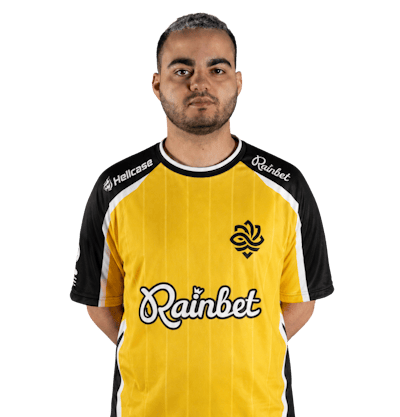

Monitor · ZOWIE by BenQActive · 660d
ZOWIE XL2586X+
Tenure: 2025-01-01 → PRESENT
size: 24" · g sync: No · freesync: No · panel tech: TN · resolution: 1920x1080 · aspect ratio: 16:9 · refresh rate: 600
ZOWIE by BenQCheck price ↗
[01] — Settings & config · player_settings
Mouse, crosshair, viewmodel, video, HUD, OSD, driver and config — every row read from the verified settings file.
Last verified · Oct 18, 2026
Match n1ssim's 708 eDPIto your own mouse DPI.
Your sensitivity
Formula
eDPI ÷ DPI
sensitivity 1.77n1ssim's reference: 400 DPI × 1.77 sensitivity = 708 eDPI
Preview the live reticle on the active-duty map pool, then verify every geometry value and copy the share code.
See n1ssim's exact crosshair on every active-duty map — Dust II, Mirage, Inferno, Nuke, Anubis, Ancient. Switch maps to preview the same reticle over each layout.
Share code verified
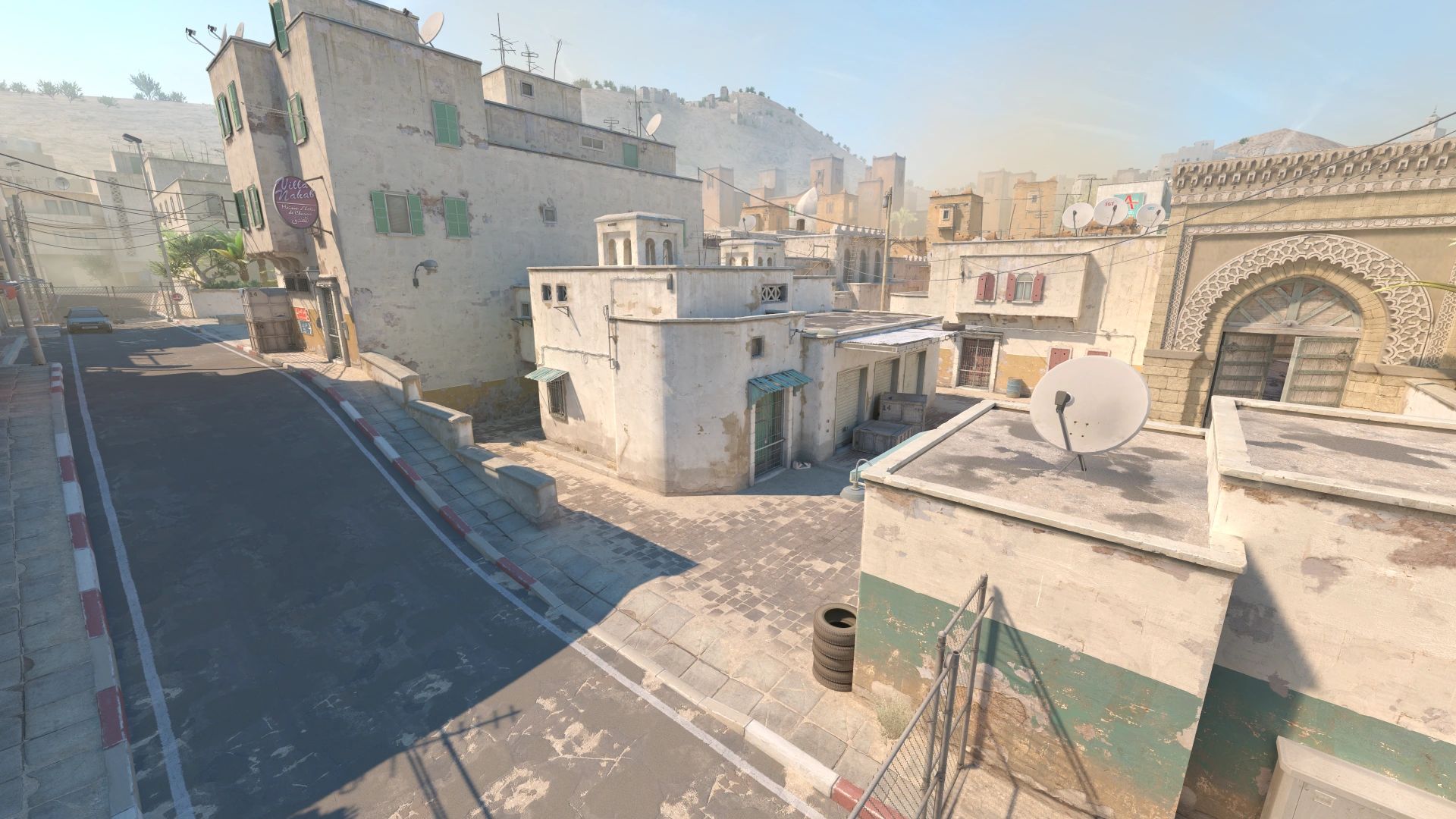
Color: RGB 0, 255, 0 (#00FF00) · Size: 4 · Thickness: 1 · Gap: 2 · Dot: 0 · Outline: 0
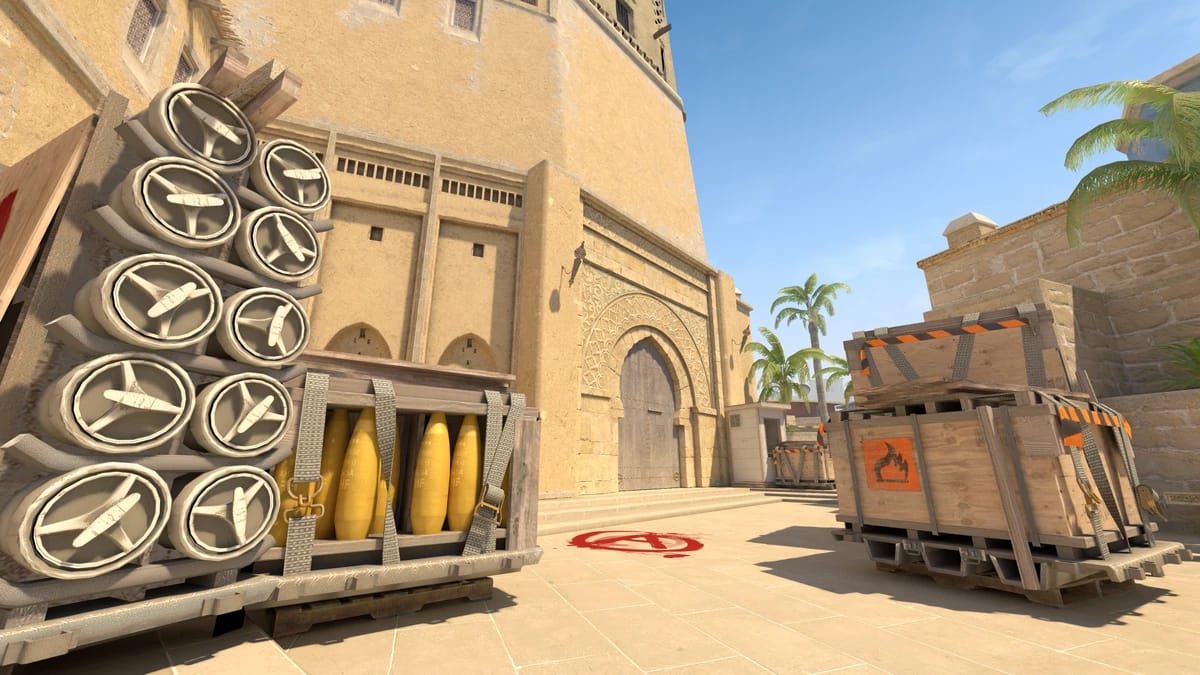
Color: RGB 0, 255, 0 (#00FF00) · Size: 4 · Thickness: 1 · Gap: 2 · Dot: 0 · Outline: 0
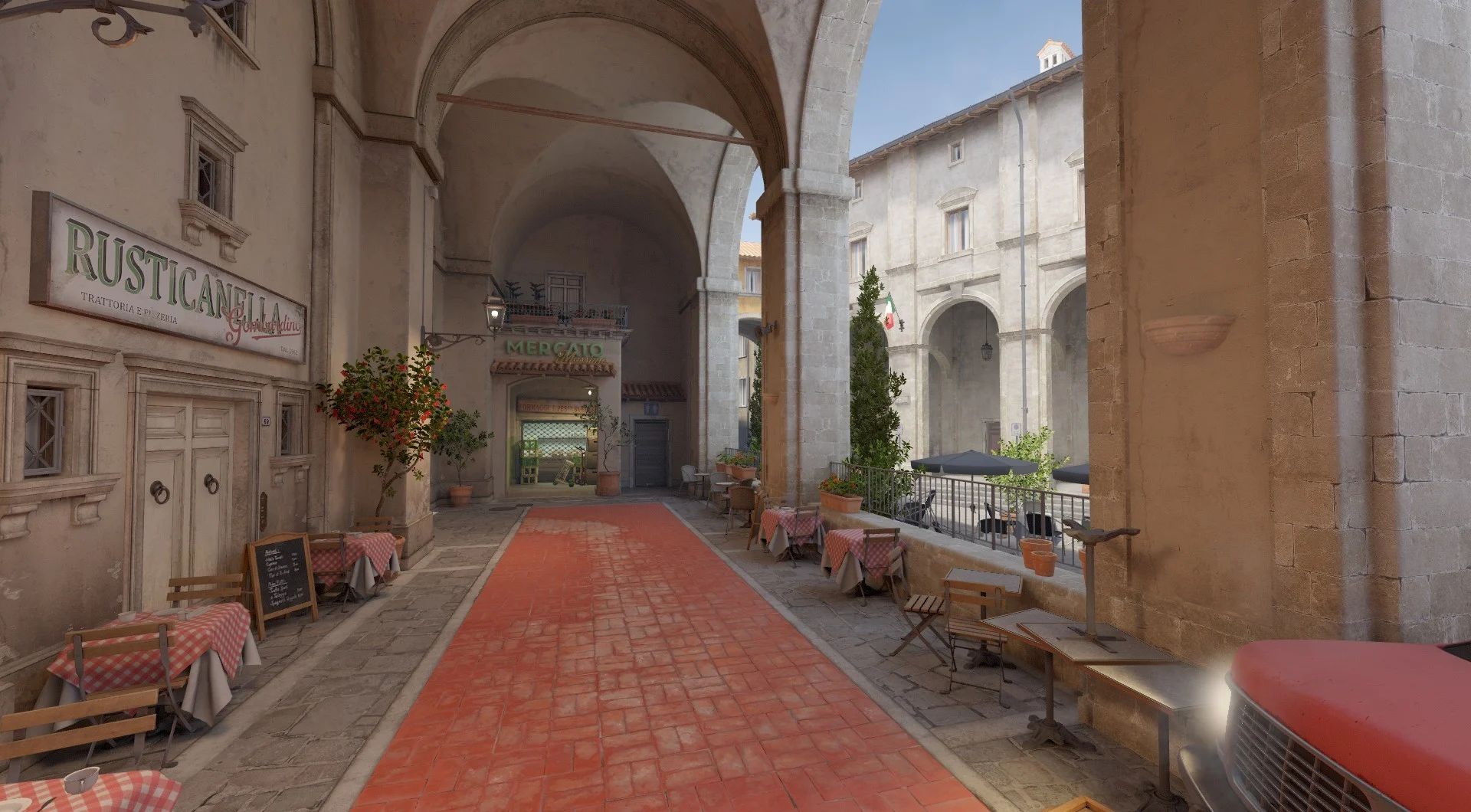
Color: RGB 0, 255, 0 (#00FF00) · Size: 4 · Thickness: 1 · Gap: 2 · Dot: 0 · Outline: 0
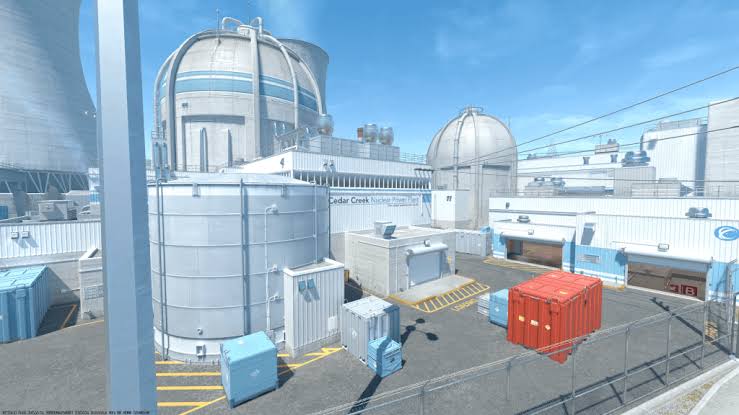
Color: RGB 0, 255, 0 (#00FF00) · Size: 4 · Thickness: 1 · Gap: 2 · Dot: 0 · Outline: 0
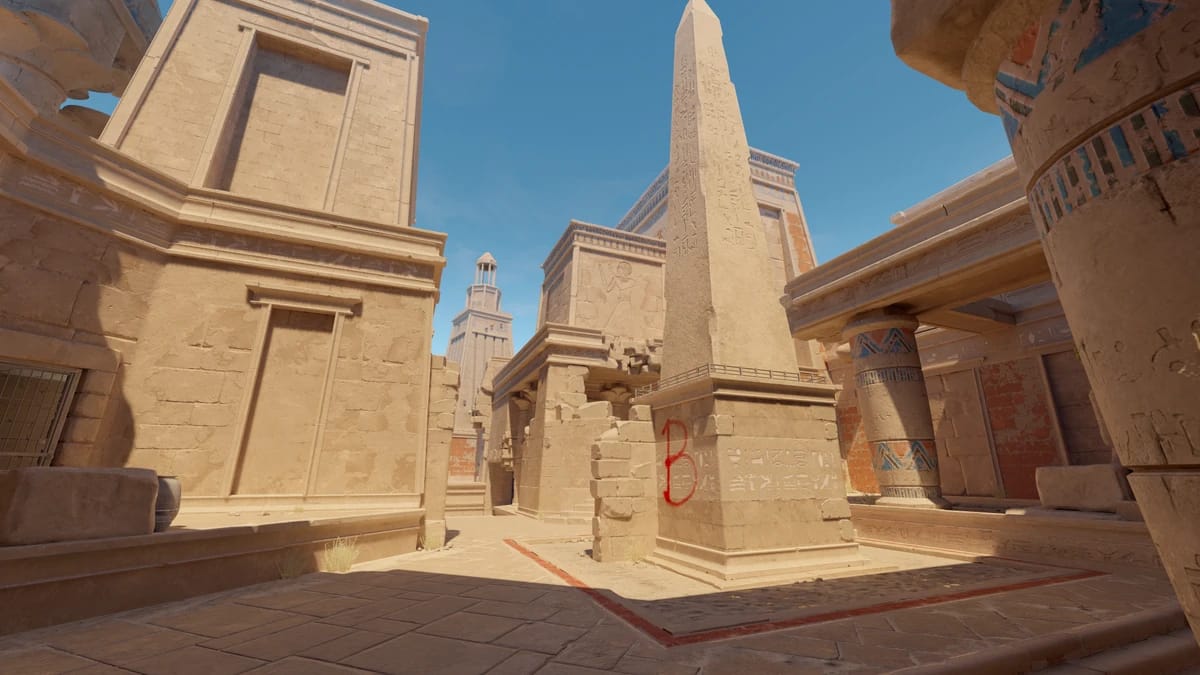
Color: RGB 0, 255, 0 (#00FF00) · Size: 4 · Thickness: 1 · Gap: 2 · Dot: 0 · Outline: 0
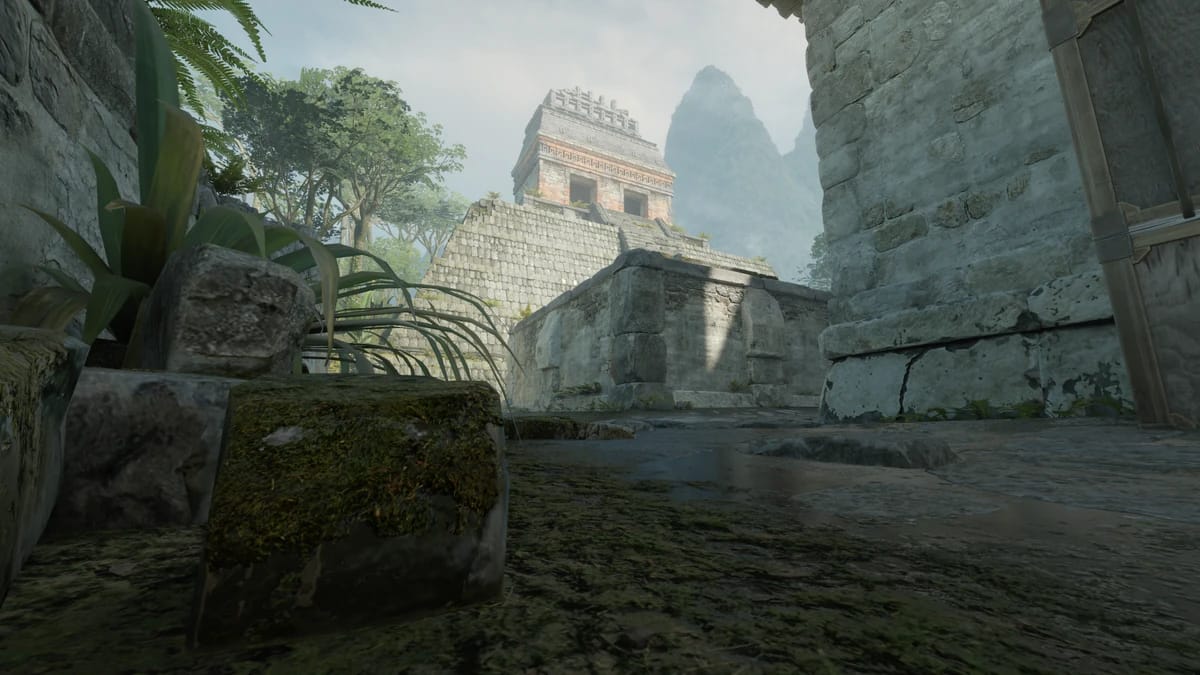
Color: RGB 0, 255, 0 (#00FF00) · Size: 4 · Thickness: 1 · Gap: 2 · Dot: 0 · Outline: 0
CSLW68GQ8h26pe9BKbXRbL9O9BAM2nw3QbPes4zPK5aODTShare code
CSLW68GQ8h26pe9BKbXRbL9O9BAM2nw3QbPes4zPK5aODTStatic Cross · RGB 0, 255, 0
6 frame-pacing rows
viewmodel_fov 68; viewmodel_offset_x 2.5; viewmodel_offset_y 0; viewmodel_offset_z -1.5; viewmodel_presetpos 2;[02] — Gear & PC specs · player_gears
6 active · 0 retired. PC components, CS2 gaming gear and setup accessories, each with its verified tenure.
CS2 gaming gear
5 items
Tenure: 2025-01-01 → PRESENT
size: 24" · g sync: No · freesync: No · panel tech: TN · resolution: 1920x1080 · aspect ratio: 16:9 · refresh rate: 600

Tenure: 2025-01-01 → PRESENT
shape: Ambidextrous · width: 5.8cm · height: 3.8cm · length: 12.3cm · sensor: PAW3950 · weight: 60g · connection: Wireless · polling rate: 125, 500, 1000, 2000, 4000 · button switches: Huano

Tenure: 2025-01-01 → PRESENT
height: 39cm · length: 47cm · material: Cloth · thickness: 3.5mm · foam firmness: Firm · overall glide: Medium · stitched edges: No · static friction: High · dynamic friction: Low · glide difference x y: 10.30%

Tenure: 2025-01-01 → PRESENT
pcb: Hotswappable · rgb: Yes · width: 34.6cm · height: 2.84cm · length: 14.2cm · weight: 790g · switches: Lekker Linear 45 v2, Lekker Linear 60 v2, Lekker Tikken Light, Lekker Tikken Medium, Geon Raw HE, Wooting x TTC KOM · form factor: TKL

Tenure: 2025-01-01 → PRESENT
type: Closed-Back · weight: 337g · connection: Wireless · microphone: Non-Detachable · noise cancelling: Yes
Setup
1 item

Tenure: 2025-01-01 → PRESENT
[03] — Verified skins loadout · 18 items
Screenshot-verified loadout, priced at current market estimates.

Factory New (FN)

Field-Tested (FT)

Field-Tested (FT)

Factory New (FN)

Field-Tested (FT)

Factory New (FN)

Factory New (FN)

Battle-Scarred (BS)

Factory New (FN)

Factory New (FN)

Minimal Wear (MW)

Factory New (FN)

Field-Tested (FT)

Battle-Scarred (BS)

Field-Tested (FT)

Factory New (FN)

Well-Worn (WW)

Factory New (FN)
[04] — Tactical profile · player_career_stats
career
recent 3 months
CT side
1.08
ADR 78.4 · KAST 72.5% · K-D 5,120:5,023
T side
1.04
ADR 73.4 · KAST 70.5% · K-D 4,540:4,637
Round economy
| Season | Rating 3.0 | ADR | K-D | Maps | Event wins |
|---|---|---|---|---|---|
| 2026 | 1.03 | 79.4 | 1.03 | 153 | 1 |
| 2025 | 1.07 | 74.5 | 1.05 | 204 | 1 |
| 2024 | 1.07 | 78.1 | 1.02 | 204 | 0 |
| 2023 | 1.06 | 77.5 | 1.04 | 204 | 0 |
| 2022 | 1.03 | 76.2 | 1.06 | 204 | 0 |
| 2021 | 1.08 | 72.1 | 1.05 | 204 | 0 |
| 2020 | 1.02 | 77.4 | 1.01 | 204 | 0 |
| 2019 | 1.07 | 78.6 | 1.04 | 204 | 0 |
[05] — The dossier · long-form
A documentary biography of the Brazilian rifler who benched himself, came home, and won Suzhou, built from HLTV profile data, HLTV news records and published interviews.
Vinicius Pereira's professional record begins in the Brazilian tier-two circuit of the early 2020s, on teams that trace the geography of the national scene: Case, Los Grandes, Flamengo, Sharks. These were the years when Brazilian Counter-Strike operated a crowded middle tier, with organizations rising and falling between splits, when São Paulo LAN houses and online qualifiers served as the filtering system, and when players moved constantly in search of stability. Pereira moved through it the hard way. Spells with Case and Los Grandes in 2022, Flamengo in early 2023, Sharks from mid-2022 into 2023 and again from 2023 into 2024: each stint added experience without adding trophies, each taught the professional habits that would later define him. The Sharks tenures, two spells sandwiching the Flamengo months, gave him his longest continuous stretches: months of daily practice, qualifier grinds, the slow education of the middle tier. Coaches from the period remember a player who never missed practice and never complained about roles, the habits that would later make him a coach's favorite at every stop.
What the record shows, read carefully, is persistence. Most players who spend three years in the Brazilian middle tier without breaking through either retire or settle. Pereira kept moving, kept performing, kept believing the breakthrough would come. The Case spell, brief and unrecorded in trophies, taught him professional habits. Los Grandes in early 2022 gave him his first exposure to organized teamplay beyond mixes. Flamengo in early 2023, a short stint between Sharks tenures, tested his adaptability. Each move was a gamble that the next roster would be the one. His FACEIT record from these years describes the foundation: 2,739 recorded matches at a 57 percent win rate with a 1.23 average KDR and a 47 percent headshot rate. The numbers are professional rather than spectacular, the output of a grinder rather than a prodigy, compiled across seasons of mixed rosters and inconsistent practice. The twenty-one-match win streak in the record hints at the competitive streak beneath the steadiness: when the conditions were right, Pereira could carry for weeks.
The breakthrough, when it arrived, came through paiN Gaming, which he joined in November 2023. paiN were Brazil's most established organization outside the FURIA-MIBR duopoly, with genuine international ambitions, a professional infrastructure, and a roster built to qualify for Majors. Thelineup around him supplied the structure his game had always needed: defined roles, experienced calling, and the expectation of winning rather than surviving. Pereira stayed through April 2024, and the spell supplied the achievement that changed his career: qualification for the PGL CS2 Major Copenhagen 2024, where paiN reached the Legends stage. A Legends finish at a Major, the second week of the world championship, is the result that separates professionals from journeymen. He was twenty-two. He had arrived.
The Copenhagen Major deserves emphasis as the tournament that proved Pereira belonged. paiN's run through the Opening Stage and into the Legends stage required beating established European and American rosters in elimination matches, with the Royal Arena's second week reserved for the world's sixteen best teams. Pereira's performances in those decisive series were the best of his career to that point: composed rifling, converted clutches, the professional floor raised for the occasion. The Legends stage itself, played in the Royal Arena against the world's elite, ended without playoff qualification, but the experience transformed his standing. Brazilian players with Legends finishes earn permanent respect; organizations notice who performs in the second week.
The paiN spell ended in April 2024, and Pereira returned to Sharks, where he stayed through January 2025. The second Sharks tenure was a holding pattern: solid domestic results, no international breakthrough, the professional limbo of a player too good for the middle tier and unproven at the top. The organization valued him, the fans respected him, but the calendar offered nothing beyond regional contention. By early 2025, at twenty-three, his career stood at a crossroads familiar to Brazilian professionals. The Copenhagen Legends had proved he could play at the level. The question was whether any contending roster would give him the chance to prove it consistently. The months stretched without an answer, and the pressure mounted with each passing qualifier.
The answer came from an unexpected direction. Legacy, the organization building around the Rebelatto-Wolkmer axis, needed a fifth player with experience, communication and tactical discipline. Pereira, with his Legends finish and his professional reputation, fit the brief. He joined the Legacy project in early 2025. The decision would define the rest of his career.
Pereira's first Legacy season, 2025, was a story of integration and ascent. The team won the CS Asia Championships 2025 in Shanghai, his first LAN trophy of consequence, reached the Austin Major's Stage 3 in the summer, and finished second at PGL Masters Bucharest in the autumn. The Shanghai victory, secured through playoff performances that announced Legacy's international arrival, gave him the winners' medal his career had lacked. The Austin campaign, which carried the Brazilians into the Major's second week, tested the new roster's nerve in elimination matches. The Bucharest final, though lost, confirmed the trajectory was structural. His role was the least glamorous on the roster: the fifth piece, the support timings, the positions that enable stars. He played the anchors that freed dumau's aggression, the rotates that covered latto's repositions, the late-round situations that neither star survived to see. His attribute profile reflects it honestly. Firepower 53 is professional; Utility 45 is functional; Clutching 41 is the best of his secondary scores, reflecting a player who survives into late rounds. Entrying 17, Trading 20, Opening 28: he does not take first contact, does not play the pack, does not hunt duels. He plays winning Counter-Strike in the spaces others leave.
The Austin Major run, Stage 3, matched the deepest campaigns of his new teammates and confirmed the roster's direction. The Bucharest runner-up, secured through playoff wins over established European rosters, confirmed the Shanghai title was structural rather than circumstantial. Pereira's output through the year was steady rather than spectacular, the professional floor his career had always supplied. Inside the team, his communication and experience were valued precisely because the roster's stars were younger and more volatile. Coaches leaned on him for mid-round stability; younger teammates leaned on him for perspective. He became, quietly, the adult in the room. The arT signing in February, which added a veteran voice, complemented rather than replaced his leadership: two professionals, different registers, the same standards.
The 2026 season began with continuity and then rupture. The spring brought steady results: the EPL playoff berth secured with a sweep of NAVI in March, the RUSH B Summit title in April, the Atlanta semi-final with its NAVI and Astralis victories, the CAC title defense over Falcons in May. Pereira's output through the spring was professional and unremarkable, the floor supplied on schedule. And then, in June, the benching. Legacy benched Pereira and were reported to be targeting insani as his replacement, with additional reports linking the organization to tomaszin as an alternative. The news, published 15 June, read as the end of his time with the project. He had a different plan.
Pereira's account of the summer of 2026, given to HLTV in September, is one of the most honest interviews of the season. "I benched myself in the middle of the year because I was expecting some changes, and the changes didn't happen," he said. "And then I was expecting some offers, and I got some offers, but not good ones. And then the Legacy CEO asked me to come back, and I was doing nothing at home, so I just came back." The candor is total. No grievance, no spin, no blame. He wanted change, the change did not materialize, the market offered nothing better, and the organization that knew him best asked him home. Media reports in July confirmed the return; the official announcement followed on 10 July, restoring him to the active lineup.
"And then I was expecting some offers, and I got some offers, but not good ones. And then the Legacy CEO asked me to come back, and I was doing nothing at home, so I just came back."
What happened next is the vindication. "When I came back, I came back with another mindset about my gameplay," he said. "I've been playing much better, and I'm helping the team. And with the try addition, I think it helps me too." The mindset language matters. Players who describe their own psychology specifically are players who have done the work deliberately, and Pereira's return performances bore it out: cleaner decision-making, better positioning, the absence of the forcing that had marked his spring. The try addition was the summer's other great storyline: Santino "try" Rigal, the AWPer of the 00NATION youth core, signed officially in July, reuniting the teenage trio after three years apart. Pereira's return and try's arrival transformed the roster simultaneously. The veteran came home with a new mentality; the prodigal AWPer came home with a developed game. Legacy's autumn was built on both.
"I've been playing much better, and I'm helping the team. And with the try addition, I think it helps me too."
The episode reveals something essential about Pereira's professionalism. Players who bench themselves mid-season usually exit permanently, either to better offers or to obscurity. The market's indifference, the "not good" offers he honestly reported, would have ended most careers at his level. He did neither. He waited through the empty weeks at home, he accepted the CEO's call without public negotiation, and he returned better. The organization that benched him became the organization he won with. There is no grievance in his telling because there is no grievance in him. He wanted to play, and Legacy was where he played best.
The try partnership is the tactical core of Pereira's late career, and his assessment of the AWPer is the headline of his public record. "try is an insane AWPer," he told HLTV in September. "He has an insane game sense as well, and he has insane mid calls. So I think he brings solid work for AWP." The triple "insane," applied to mechanics, sense and calling, is the most effusive teammate praise in this biography set. It also identifies what try supplies beyond fragging: mid-round calling, the AWPer as second voice, the structure that frees the riflers.
"He has an insane game sense as well, and he has insane mid calls. So I think he brings solid work for AWP."
The reunion's history gives the praise weight. Pereira and try were never 00NATION teammates in the strict sense, his path ran through paiN and Sharks while try developed elsewhere, but they share the Brazilian circuit's small world and the Legacy project's ambition. The circuit's geography means every professional knows every other; Pereira had watched try's development from the outside, through junior highlights and qualifier performances, before playing beside him. The July signing completed a triangle that the scene had discussed for years: the Rebelatto-Wolkmer axis, together since 2021, plus the AWPer of their generation's youth. latto's own account confirms the transformation: "try is a different guy" from the kid of 2022, and the difference is consistency, the nightly reliability that great AWPing requires.
The autumn results validated the construction. The EWC run in Paris, with wins over NAVI and Falcons, was built partly on try's opening picks and partly on the space they created for riflers like Pereira. The NAVI series, a dominant 2-0, saw the AWPer control the opening duels; the Falcons ambush, the tournament's great upset, was secured through the same dynamics. The Porto campaign, though short, showed the same structure holding against elite opposition. And Suzhou, the FPG3 title, showcased the complete system: try's USP quad-kill opening the Mirage final, his AWP triples controlling the group stage, his consistency supplying the foundation on which the riflers built. Pereira's praise, given mid-tournament, was both accurate and prophetic.
The FISSURE Playground 3 campaign in September 2026 was the finest tournament of Pereira's career. Legacy opened with a 2-1 win over magic, a series that tested their group-stage nerve, beat Alliance 2-0 with professional control, and then faced FURIA in the Group B upper-bracket final. The Brazilian derby, the top two national rosters meeting for the second time that year, ended 2-0 to Legacy, carrying them straight to the semi-finals. The FURIA victory carried extra weight: the national rival, the higher-ranked roster for most of the season, dispatched without a dropped map. Pereira's performances through the group were steady and timely: the professional floor, supplied on schedule, with crucial multi-kill rounds in the moments the maps tilted.
The semi-final against MIBR tested everything. Legacy squeezed through in overtime on the Inferno decider, surviving a series that could have ended the tournament. The decider went the distance, with both teams trading runs and the overtime rounds decided by individual conversions under maximum pressure. Pereira's interview afterward credited the team's mentality work for the survival, echoing latto's account of the staff's contribution, and his own late-round holds supplied part of the margin. The final against G2, a 3-0 sweep, saw him push latto in what HLTV termed "a close MVP race," finishing as the runner-up with performances that would have won the medal in most events. To finish second in an MVP race, at twenty-five, after benching himself three months earlier, is the vindication made visible.
His derby comments deserve preservation for their ambition. Asked about the FURIA rivalry, he dismissed it: "For me, it's a normal game, and I just want to beat them." The flatness is deliberate. Derby matches in Brazil carry enormous emotional weight, with fanbases that treat every meeting as a referendum. Pereira's refusal to grant the fixture special status is the mentality of a player who has learned to treat every match identically. Asked about being Brazil's best team, he dismissed that too: "I don't care about the top one Americas or top one Brazilian team. I just want to be top one." The global ambition, stated flatly by a player whose career had been built on regional grinding, was the interview's thesis. He had stopped measuring himself nationally. The Suzhou trophy, an international title, was the evidence.
Pereira's attributes form the honest profile of a role player at the highest level. Firepower 53 is his highest score: professional duel-winning, enough to survive tier one. Utility 45 is functional for his positions. Clutching 41 is his best secondary number, reflecting late-round survival. Opening 28, Trading 20, Entrying 17: the three lowest scores in this biography set for their categories, and the statistical signature of a player who avoids first contact entirely. He plays the positions duels come to, not the positions duels start from. Sniping at zero confirms the pure rifle.
The 1.23 FACEIT KDR across 2,739 matches is the grinder's base: solid, unspectacular, earned through volume. The headshot rate, modest beside the precision duelists, reflects a rifler who wins through positioning and timing rather than first-bullet perfection. His senior-team output, 1.08 across recent samples, is the lowest among the Legacy trio and the honest reflection of his role. Fifth pieces on contending teams average what he averages. The FPG3 runner-up MVP race, achieved at 1.08-season output, shows what his best weeks look like: elevated timing, converted clutches, the professional floor raised to a ceiling.
The comparison with his teammates is structural rather than qualitative. Where dumau opens and latto closes, Pereira connects: the rotations, the support timings, the communication that holds systems together. His own account of the comeback, a new mindset and better play, suggests the self-benching supplied something beyond rest. Perspective, perhaps. The knowledge that Legacy was where he belonged, earned by leaving and returning.
The aggregate record at the time of writing is that of a twenty-five-year-old veteran with his best chapter still open. Prize money of $213,215. Three LAN titles: CS Asia Championships 2025, CS Asia Championships 2026, FISSURE Playground 3. One runner-up finish, PGL Masters Bucharest 2025. One third place each at the Esports World Cup 2026 and IEM Atlanta 2026. Four Major appearances spanning Copenhagen 2024 Legends to Cologne 2026 Stage 3, with the Legends finish remaining his deepest run. No Top 20 finishes, no MVP medals, and an MVP-race runner-up at Suzhou that suggests the latter may yet come.
The comparative framing is resilience-based. Self-benched in June, champion in September: few careers contain a sharper reversal. The Copenhagen Legends, the paiN platform, the Legacy integration, the walking away, the coming home: each chapter built the professional who survived MIBR in overtime and pushed an MVP race in a final. His global ambition, "I just want to be top one," is no longer aspirational rhetoric but a statement of current trajectory. Legacy sit closer to the top than ever before.
What comes next is continuation and conversion. At twenty-five, with the try partnership thriving and the trio's system mature, Pereira is positioned for his most productive seasons. The EWC Paris run proved the roster can beat anyone; the Suzhou title proved it can win tournaments. The Major playoff, missing from all four of his appearances, is the outstanding target. His own standard, new mindset and better play, suggests the self-benching taught him what he needed. He left to find something better and discovered it was home. The coming seasons will test whether home can reach the top. The Suzhou evidence suggests it can. And the professional who walked away and came back better carries a knowledge few teammates share: that the career is fragile, that the opportunity is precious, and that the work is the only guarantee. At twenty-five, that knowledge is worth more than any attribute score.
Data source: HLTV player profile record. Generated: 2026-10-11.
[06a] — Trophy cabinet · 3 titles

2026 · LAN Champion

2025 · LAN Champion

[06b] — Tenure timeline · teams_history_timeline
May 2022 - Jan 2025
Nov 2023 - Apr 2024
Jan 2023 - Apr 2023
Jan 2022 - Mar 2022
Feb 2020 - Jul 2020
Oct 2019 - Dec 2019
FAQ · n1ssim
Vinicius Pereira is the Rifler / Lurker for Legacy. with 3 tier-one LAN titles.
n1ssim has earned 2 EVP mentions, 3 tier-one LAN titles including FISSURE Playground 3, $213,215 in career prize money.
n1ssim plays with 400 DPI and an in-game sensitivity of 1.77, giving him an eDPI of 708.00 with a 1 zoom sensitivity. His verified CS2 crosshair share code is CSLW68GQ8h26pe9BKbXRbL9O9BAM2nw3QbPes4zPK5aODT. He plays on 1920x1080 (16:9 Native).
n1ssim competes with the ZOWIE U2-DW Black mouse, a ZOWIE G-SR-SE Orange mousepad, the Wooting 80HE+ Frost keyboard, the SteelSeries Arctis Nova Pro Wireless headset and the ZOWIE XL2586X+ monitor. He plays at 1920x1080 16:9 Native resolution.
Community Intelligence · Steam OpenID & Discord Verified
Comments, Config Tips & Setup Q&A0
Spotted a crosshair, sensitivity, or gear change on stream or FACEIT? Submit a Config/Gear Update Tip with a proof link to earn a Verified Tip badge.
Authenticate to Comment & Submit Config Tips
Sign in with your Steam account (auto-displays your CS2 hours badge) or Discord.
Posting on
/cs2/players/n1ssim/cs2/players/n1ssimyet. Sign in with Steam or Discord above to post the first comment or config tip!