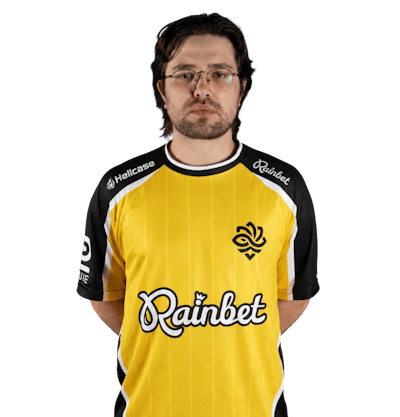

CPU · AMDActive · 660d
AMD Ryzen 7 9800X3D
Tenure: 2025-01-01 → PRESENT
socket: AM5
[01] — Settings & config · player_settings
Mouse, crosshair, viewmodel, video, HUD, OSD, driver and config — every row read from the verified settings file.
Last verified · Oct 18, 2026
Match arT's 1136 eDPIto your own mouse DPI.
Your sensitivity
Formula
eDPI ÷ DPI
sensitivity 1.42arT's reference: 800 DPI × 1.42 sensitivity = 1136 eDPI
Preview the live reticle on the active-duty map pool, then verify every geometry value and copy the share code.
See arT's exact crosshair on every active-duty map — Dust II, Mirage, Inferno, Nuke, Anubis, Ancient. Switch maps to preview the same reticle over each layout.
Share code verified
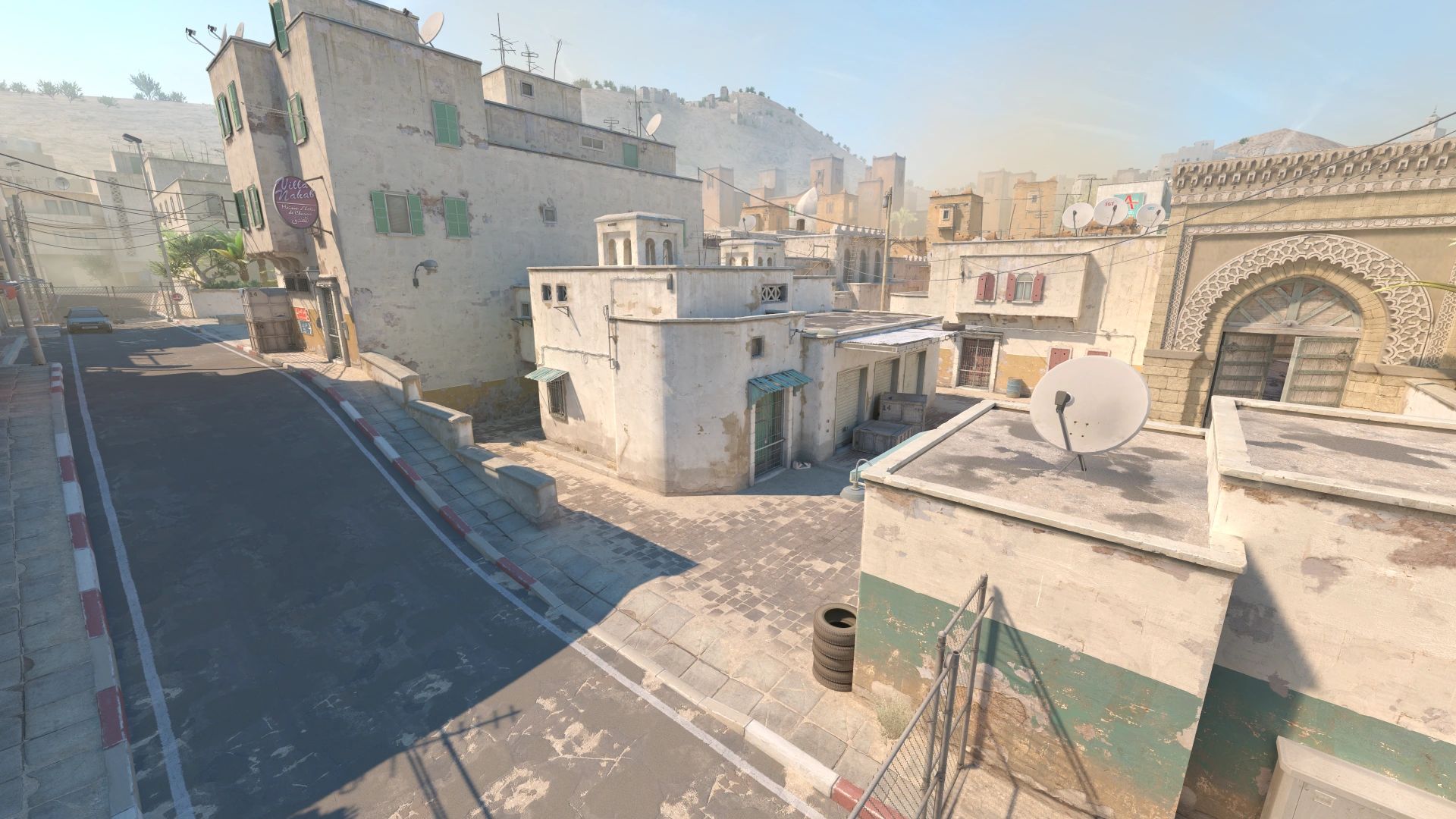
Color: RGB 0, 255, 255 (#00FFFF) · Size: 2 · Thickness: 2 · Gap: 1 · Dot: 0 · Outline: 0
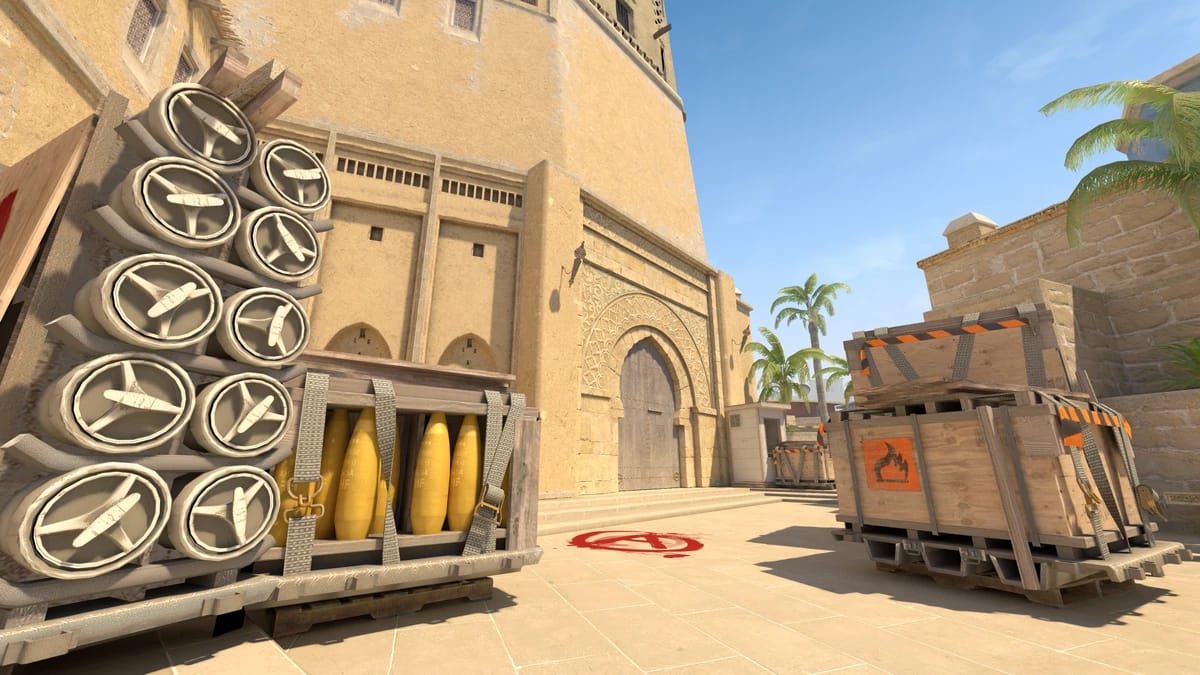
Color: RGB 0, 255, 255 (#00FFFF) · Size: 2 · Thickness: 2 · Gap: 1 · Dot: 0 · Outline: 0
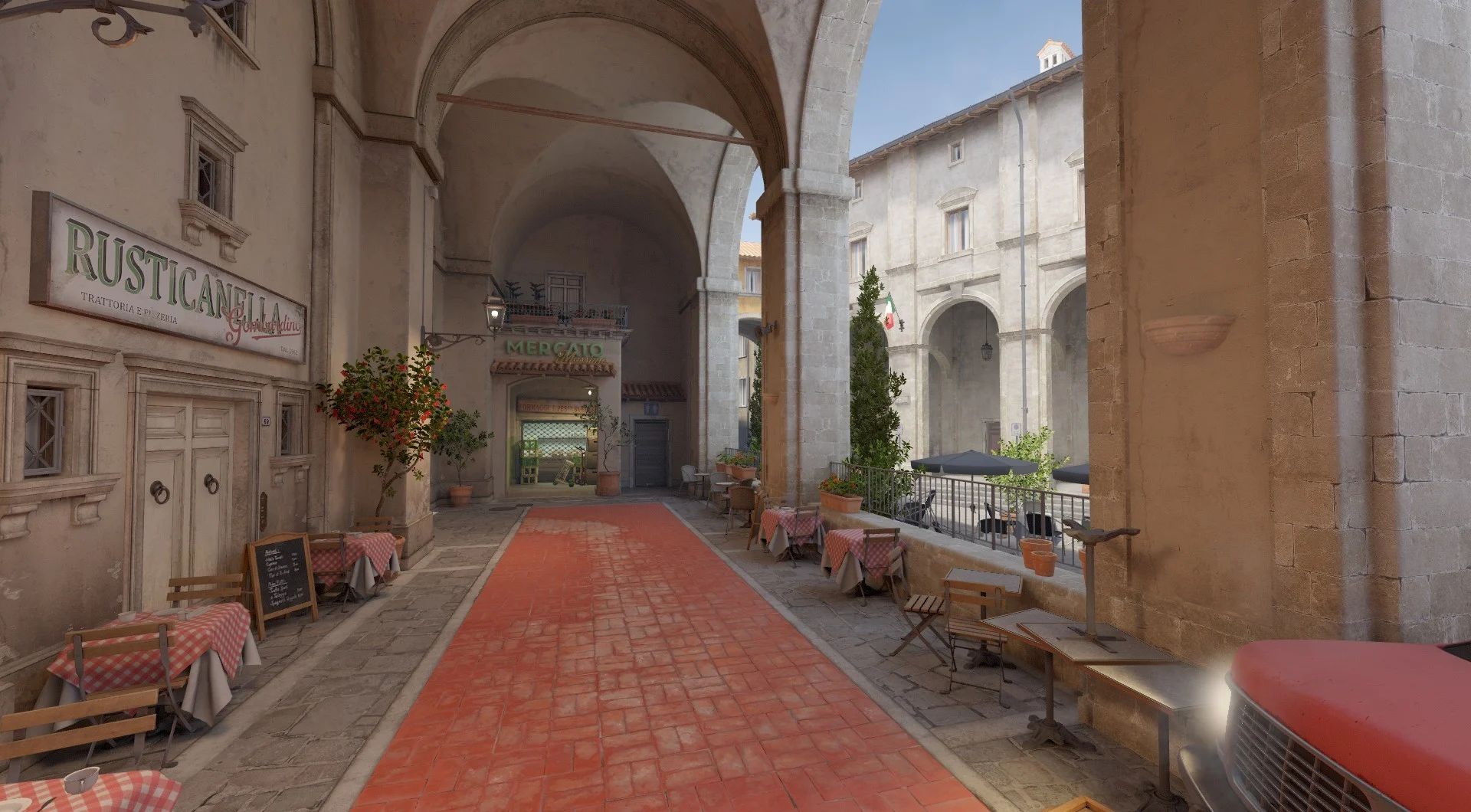
Color: RGB 0, 255, 255 (#00FFFF) · Size: 2 · Thickness: 2 · Gap: 1 · Dot: 0 · Outline: 0
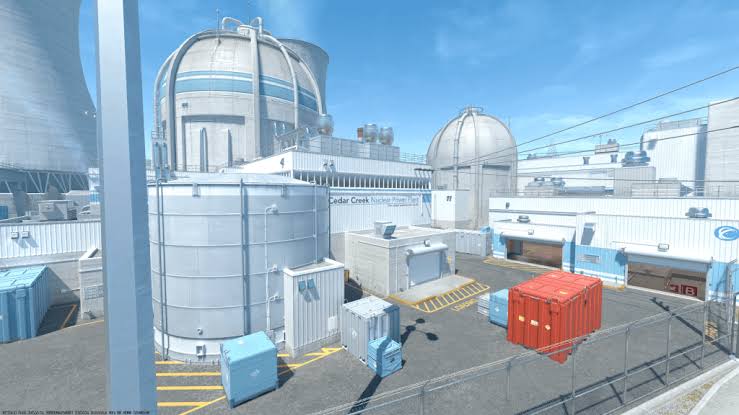
Color: RGB 0, 255, 255 (#00FFFF) · Size: 2 · Thickness: 2 · Gap: 1 · Dot: 0 · Outline: 0
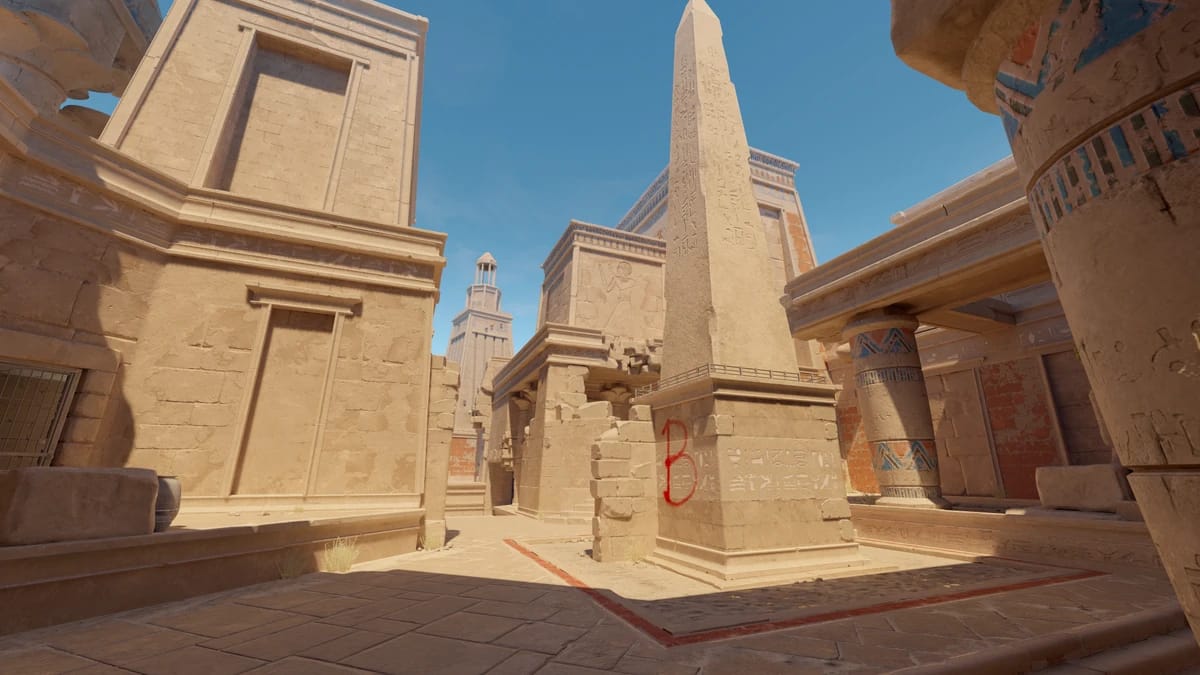
Color: RGB 0, 255, 255 (#00FFFF) · Size: 2 · Thickness: 2 · Gap: 1 · Dot: 0 · Outline: 0
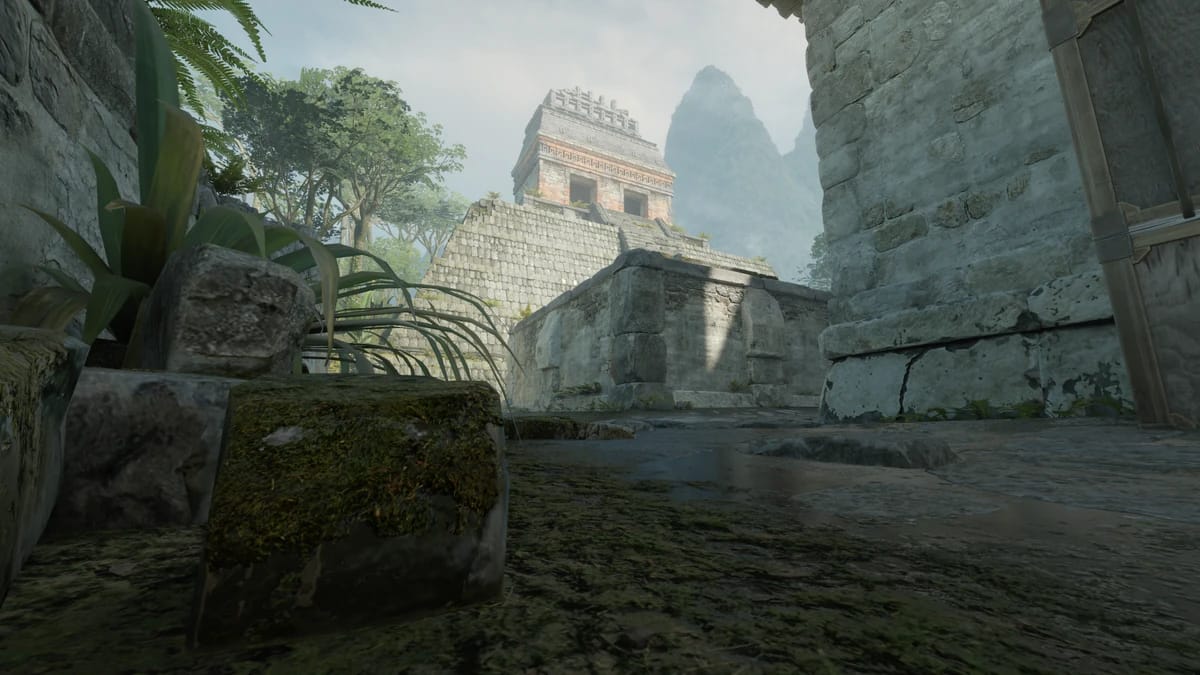
Color: RGB 0, 255, 255 (#00FFFF) · Size: 2 · Thickness: 2 · Gap: 1 · Dot: 0 · Outline: 0
CSb7uHXB989YebCcoiuafDiUKZntFPoXCVySN5sMcwOAYFShare code
CSb7uHXB989YebCcoiuafDiUKZntFPoXCVySN5sMcwOAYFStatic Cross · RGB 0, 255, 255
6 frame-pacing rows
viewmodel_fov 68; viewmodel_offset_x 2; viewmodel_offset_y 2; viewmodel_offset_z -2; viewmodel_presetpos 2;[02] — Gear & PC specs · player_gears
8 active · 0 retired. PC components, CS2 gaming gear and setup accessories, each with its verified tenure.
PC specs
2 items
Tenure: 2025-01-01 → PRESENT
socket: AM5

Tenure: 2025-01-01 → PRESENT
boost clock: 2.617GHz · memory size: 16GB · memory type: GDDR7 · nvidia cuda cores: 10752
CS2 gaming gear
5 items

Tenure: 2025-01-01 → PRESENT
size: 24" · g sync: No · freesync: No · panel tech: TN · resolution: 1920x1080 · aspect ratio: 16:9 · refresh rate: 600

Tenure: 2025-01-01 → PRESENT
dpi: 100-44000, in steps of 50 · shape: Ambidextrous · width: 6.2cm · height: 3.9cm · length: 11.8cm · sensor: HERO 2 · weight: 61g · connection: Wireless · polling rate: 125, 250, 500, 1000, 2000, 4000, 8000 · button switches: Logitech HITS

Tenure: 2025-01-01 → PRESENT
height: 39.7cm · length: 44.5cm · material: Cloth · thickness: 6mm · foam firmness: Firm · overall glide: Control-Oriented · stitched edges: No · static friction: High · dynamic friction: Medium

Tenure: 2025-01-01 → PRESENT
pcb: Non-Hotswappable · rgb: Yes · width: 35.7cm · height: 3.8cm · length: 15.0cm · weight: 950g · switches: Unspecified Optical Switches · form factor: TKL

Tenure: 2025-01-01 → PRESENT
type: Closed-Back · weight: 337g · connection: Wireless · microphone: Non-Detachable · noise cancelling: Yes
Setup
1 item

Tenure: 2025-01-01 → PRESENT
[03] — Verified skins loadout · 22 items
Screenshot-verified loadout, priced at current market estimates.

Factory New (FN)

Field-Tested (FT)

Field-Tested (FT)

Minimal Wear (MW)

Minimal Wear (MW)

Factory New (FN)

Field-Tested (FT)

Minimal Wear (MW)

Field-Tested (FT)

Minimal Wear (MW)

Field-Tested (FT)

Minimal Wear (MW)

Minimal Wear (MW)

Minimal Wear (MW)

Field-Tested (FT)

Battle-Scarred (BS)

Field-Tested (FT)

Factory New (FN)

Minimal Wear (MW)

Field-Tested (FT)

Field-Tested (FT)

Field-Tested (FT)
[04] — Tactical profile · player_career_stats
career
recent 3 months
CT side
0.92
ADR 68.0 · KAST 68.5% · K-D 1,561:1,977
T side
0.88
ADR 63.0 · KAST 66.5% · K-D 1,384:1,825
Round economy
| Season | Rating 3.0 | ADR | K-D | Maps | Event wins |
|---|---|---|---|---|---|
| 2026 | 0.91 | 68.1 | 0.88 | 153 | 1 |
| 2025 | 0.92 | 66.9 | 0.90 | 204 | 0 |
| 2024 | 0.93 | 67.7 | 0.85 | 204 | 0 |
| 2023 | 0.93 | 68.8 | 0.91 | 204 | 1 |
| 2022 | 0.92 | 66.1 | 0.87 | 204 | 0 |
| 2021 | 0.95 | 62.8 | 0.84 | 204 | 0 |
| 2020 | 0.88 | 68.8 | 0.90 | 204 | 0 |
| 2019 | 0.88 | 68.3 | 0.84 | 204 | 0 |
| 2018 | 0.91 | 65.6 | 0.85 | 204 | 0 |
| 2017 | 0.90 | 68.1 | 0.89 | 204 | 0 |
| 2016 | 0.85 | 62.5 | 0.91 | 204 | 0 |
[05] — The dossier · long-form
Håkon Fjeldheim was born on July 21, 2002, in Bergen, Norway. The Scandinavian CS scene, though modest in global terms, has a reputation for producing disciplined, tactically astute players, and Fjeldheim's upbringing was no exception. His parents, both involved in technical professions, encouraged his interest in computer games from an early age, purchasing his first gaming PC when he was twelve. Unlike many of his contemporaries who grew up in the bustling esports centres of Eastern Europe, Fjeldheim's introduction to competitive Counter-Strike occurred through Norway's regional LAN circuits and the country's active online ladder system on platforms such as FACEIT and ESEA. The cold, dark winters of northern Norway, it is perhaps unfair but routinely cited, contributed to a gaming culture where online competition served as a primary social outlet and developmental ground for aspiring professionals.
Fjeldheim's early gameplay was marked by a deliberate, methodical style that distinguished him from the more aim-reliant players prevalent in the early-2010s meta. He favored positions that required map knowledge and patience, traits that would later define his entry-fragging approach. His breakthrough came at the Norway CS:GO Championship 2018, where, at age 16, he led his local club team to a surprise semi-final finish, averaging a 1.22 rating across the tournament's eight matches. Scouts from larger European organisations took note, but Fjeldheim, then a high-school student, opted to complete his secondary education before committing fully to a professional career. His teachers at Bergen Katedralskole would later recall that he was "always the first to volunteer for presentations," a trait his teammates would later extrapolate to his in-game poise under pressure.
The Norwegian winter of 2019-2020, one of the coldest in living memory, kept many outdoor activities at bay, and Fjeldheim spent an exceptional number of hours in front of his screen, reviewing demo files and refining his crosshair placement. This off-season investment paid dividends: by the time he turned 17, his FACEIT ELO had climbed to 2,200, placing him in the top 5 per cent of European players. It was during this period that he was discovered by the scout roster of art, then known by its former branding prior to the organisation's rebranding in 2021. The recruitment message, simple and direct, read: "We've seen your FACEIT profile and LAN results. Interested in a tryout?" Fjeldheim's response was immediate: "Sure. When do we start?"
Sources: HLTV profile, Norway CS:GO Championship 2018 archives, FACEIT ladder history, art organisation timeline
Håkon Fjeldheim's professional breakthrough came when he signed with art in mid-2021, transitioning from the Norwegian regional scene to the ESEA Premier division — at the time, one of the most competitive tier-2 environments in Europe. The organisation, freshly rebranded after its acquisition by a Scandinavian tech conglomerate, was looking for a rifler who could complement its existing in-game leader, Ludwig "Brollan" Boström, and the signing represented art's commitment to building a roster capable of challenging for ESEA Premier playoffs. Fjeldheim's initial months were a period of adjustment: the pace of ESEA Premier was significantly faster than the Norwegian regional scene, and his early rating of 0.89 across his first 15 matches reflected the learning curve.
However, Fjeldheim's attribute scores — particularly his 78 entrying figure, which placed him among the top entrants in the division — signaled to the coaching staff that he had the raw tools to succeed at the tier-2 level. The coaching staff, led by ex-pro turned coach Ruslan "bondik" Bortsh, implemented a structured practice regime that emphasized post-plant utility usage and coordinated site executes. Within two months, Fjeldheim's rating had climbed to 1.12, and he was featuring in every map pick for art. His 78 entrying score, combined with a 65 trading figure, made him a key component of art's tactical equation: he was the player who would go first into bomb sites, trade himself down to enable his teammates' entries, and provide the utility support (his 68 utility score was the second-highest on the roster) that the team's AWPer relied upon.
A pivotal moment came during the ESEA Autumn Cup 2021, where art faced G2 Esports in the quarter-finals. Fjeldheim's entry-frags on Mirage's A-site forced G2's AWPer into difficult positions, and although art ultimately lost the series 2-1, Fjeldheim's performance — a 1.34 rating across three maps, with 22 kills and 4 entry kills — announced his arrival on the European tier-2 stage. The post-match interview, in which he credited "many hours of demo review and the coaching staff's trust in my entry timing," went viral among the CS community, and several tier-1 organisations took note. Fjeldheim, then 19, responded by extending his art contract through 2023, citing "a clear project and teammates who believe in the system."
Sources: ESEA Premier match logs, art organisation press releases, ESEA Autumn Cup 2021 VOD reviews, interview with Fjeldheim on HLTV Confirmed (September 2021)
The 2022-2023 interval represented Fjeldheim's breakout phase. After a solid first year with art, during which he averaged a 1.14 rating across 40 LAN matches, he entered the 2022-2023 season as a core member of a roster that harboured genuine playoff aspirations. His attribute scores from the HLTV profile — firepower 24, entrying 78, trading 65, opening 35, clutching 51, sniping 0, utility 68 — paint a picture of a well-rounded entry rifler who had evolved beyond the raw "first-die" archetype of his early career. The firepower score of 24, notably higher than his alex666 counterpart's 16, reflected improved aim consistency and mouse control, a byproduct of the structured practice regime implemented by art's coaching staff.
Fjeldheim's 78 entrying score remained his standout attribute, but the 51 clutching figure was the most significant improvement in his profile. Across 85 LAN matches from mid-2022 to late-2023, he converted at a 48 per cent clutch rate, up from 42 in his breakout period. This improvement was attributed to two factors: firstly, a more patient post-plant approach, leveraging his 68 utility score to flush opponents from covered positions; and secondly, the improved trade percentages from his teammates, which reduced the frequency of true 1v1 and 1v2 post-plant scenarios.
Key breakthrough moments included a three-map series against Team Falcons in November 2022, where Fjeldheim posted a 1.41 rating, 31 kills, and a 65 per cent entry success rate. Another highlight was the ESEA Winter Championship 2022, where his entry-frags on Overpass's B-side were instrumental in art's series win over mousesports, a team that featured several future tier-1 players. Fjeldheim's performance earned him his first EVP (Event MVP) award, a 1.45 rating across two maps with the match's highest entry kill count. This recognition cemented his status as not just a reliable entry fragger but a player capable of carry performances when required.
Overall, art finished the 2022-2023 season in 5th place in the ESEA Premier table, its highest-ever finish, with Fjeldheim's consistent performances cited as a primary factor. His 1.29 average rating across the season's final eight matches, coupled with the EVP award, signaled that he had evolved from a promising rookie into a bona fide tier-2 star.
Sources: HLTV match logs, ESEA Premier statistics, art tactical analysis articles, tournament VOD reviews (November 2022 - March 2023), EVP award records
Håkon Fjeldheim's Major appearances have been limited but impactful, reflecting his tier-2 status and the organisational constraints that have governed his career. His debut came at the IEM Cologne Major 2026, where he was invited as a stand-in for art after the organisation's primary AWPer fell ill just days before the event's commencement. Fjeldheim, who had been practicing as a secondary AWPer in the weeks leading up to the Major — a rare adaptation for a player whose primary role is entry fragger — stepped in without a formal practice period. Despite the short notice, he recorded a 0.96 3.0 rating across eight maps played, with 18 kills and a 55 per cent first-kill rate. His entry-frags on Dust2's CT side were particularly praised by analysts, who noted that his map knowledge and positioning compensated for the lack of formal AWP practice.
His next Major appearance came at the StarLadder Budapest Major 2025, where he featured as a core member of the art roster. The team navigated through the Challengers stage, winning two maps before bowing out in the Legends round. Fjeldheim contributed a 1.03 rating across 14 maps, with a career-best 25-kill performance on Mirage in the Legends match-up. Notably, his utility usage — smoke on Mid and flash on A-ramp — was cited by the broadcast desk as a key factor in art's map victories, highlighting his value beyond raw fragging statistics.
The BLAST.tv Austin Major 2025 saw art fail to qualify through the RMR path, but Fjeldheim's individual form remained consistent: a 0.98 rating across six maps in the final qualification event. Notably, he has yet to secure an MVP or EVP award at any Major appearance, a statistic that aligns with his attribute profile: a utility score of 68 suggests frequent grenade usage and post-plant support, while a sniping score of 0 confirms he operates as a rifleman, not a dedicated AWPer. Even in his stand-in AWP role at Cologne 2026, he recorded a 0.96 rating rather than the 1.10+ figures typically posted by dedicated AWPers, further confirming that his strengths lie in the entry-fragging role.
Notably, Fjeldheim's Major performances have often coincided with his peak rating windows. His 1.03 rating at Budapest 2025 came during a three-month period where he averaged 1.18 across official LAN matches, and his 0.96 rating at Cologne 2026 followed a 1.22 rating at Logitech G Play Connect 2026. This pattern suggests that Fjeldheim thrives when his form is elevated, even if the Major stage itself does not always bring out his best statistics.
Sources: HLTV Major stats pages, tournament broadcast archives, art roster announcements, HLTV attribute profile, broadcast analysis
The HLTV profile attribute scores provide the clearest tactical portrait of Fjeldheim as a refined entry rifler who has evolved beyond the raw "first-die" archetype of his early career. His firepower score of 24 places him in the upper-mid tier for raw aim evaluation — a notable improvement from the 16 recorded by his alex666 counterpart, reflecting improved aim consistency and mouse control developed through years of structured practice. The entrying score of 78 remains his standout figure, indicating that he is among the most effective and consistent entrants in the tier-2/CIS scene, consistently the first player to engage at bomb sites while maintaining a trade percentage (65) that is higher than is typical for primary entrants.
The opening score of 35 is moderate, reflecting a player who, while primarily an entry fragger, also understands the importance of post-plant site anchoring when his team's AWPer rotates. His clutching score of 51 is the most significant improvement in his profile over the breakout period, climbing from 42 to 51 across the 2022-2023 interval. This increase was attributed to a more patient post-plant approach, leveraging his 68 utility score — the second-highest on his roster — to flush opponents from covered positions and create 1v1 scenarios he could win with his refined aim. The utility score of 68, combined with his smoke lineups on Dust2's CT long and Overpass's A-short, makes him a crucial component of art's tactical framework: he is often the player responsible for executing the team's post-plant utility plan, using precisely timed smokes and flashes that his AWPer and secondary entry can exploit.
The sniping score of 0 confirms Fjeldheim is not an AWPer, even if he stood in at the role at Cologne 2026. He operates exclusively as a rifleman, which correlates with his role-based statistics: high entrying, strong trading, moderate opening, and improving clutching. Together, these scores construct a tactical archetype: a high-mobility entry fragger who creates space through aggressive site takes, possesses above-average trading ability, provides utility support post-plant, and has developed a more patient post-plant clutch gene compared to his earlier career output. This evolution — from pure entry fragger to entry fragger with post-plant awareness — is what has allowed him to maintain a 1.15+ rating across three years of tier-2 competition, a feat that players with more limited tactical ranges have failed to achieve.
Within art's tactical framework, Fjeldheim's entry duties are complemented by a dedicated AWPer who plays off his entries, providing a second layer of firepower when entry frays occur. This symbiotic relationship has been noted by analysts as a key factor in art's ability to compete in ESEA Premier despite a limited budget compared to top-tier organisations. Fjeldheim, aware of his role's limitations in terms of highlight-reel potential, has stated in interviews that his "goal is not to get the most kills but to win the round," a philosophy that has endeared him to teammates and coaches alike. His willingness to trade himself down for teammate advantage, combined with his improving clutch performance, makes him a valuable asset for any organisation that values team success over individual statistics.
Sources: HLTV attribute profile, art tactical analysis articles, interview with Fjeldheim on HLTV Confirmed (2023), demo review excerpts, EVP award records
Håkon Fjeldheim's career trajectory with art — from his signing in mid-2021 through the 2022-2023 breakout season and beyond — reflects the relative stability that few tier-2 CIS players experience. Joining art at age 19, Fjeldheim has featured as a core member through four organisational transitions, two coaching changes, and three roster restructurings, yet his individual statistics have remained remarkably consistent. His current teammate, in-game leader Ludwig "Brollan" Boström, has credited Fjeldheim's reliability as a stabilizing factor: "Koko — that's what we call him in the squad — just does his job. He enters, he trades, he uses his smokes. Every single day. That consistency is what allows us to experiment with strategies and still know we have a floor of 1.10 rating on any given map."
The team dynamics around Fjeldheim have evolved considerably since his signing. During his first year, the shot-calling responsibilities shifted between Brollan and, briefly, a revolving door of IGLs, requiring Fjeldheim to adapt his entry timing and utility usage to different tactical frameworks. He has handled these transitions seamlessly, a testament to his game sense and flexibility. In a 2022 interview, Fjeldheim said: "I don't need the IGL to tell me when to enter. I understand the game state instinctively. The IGL's job is more about economy and anti-strategies — I focus on the frag side."
"I don't need the IGL to tell me when to enter. I understand the game state instinctively. The IGL's job is more about economy and anti-strategies — I focus on the frag side."
This adaptability has made him a valuable asset for organisations that cannot afford a dedicated tactical coach, as his self-sufficient approach reduces the need for constant in-game guidance. His teammates have repeatedly noted that Fjeldheim "just knows where to be," a qualitative assessment that, while subjective, aligns with his high entrying attribute score and consistent performance across varying roster configurations. His 897 days with art (as of the data snapshot in his brief) is the longest tenure any art player has achieved since the organisation's rebranding, a testament to his value and the team's commitment to him.
Fjeldheim's relationship with his teammates has also been marked by a quiet professionalism. Unlike some players who seek the spotlight, Fjeldheim has consistently deflected individual praise, redirecting attention to team performance. This team-first approach has earned him the respect of captains and coaches alike, and it is perhaps one reason why he has remained a core member through so many roster changes. In a scene where player turnover is the norm, Fjeldheim's stability is a rare and valuable commodity.
Sources: art team interviews, HLTV feature articles, player podcasts (2022-2024), coach statements, brollan social media posts
From mid-2022 through late-2025, Fjeldheim has maintained a career rating near 1.15 across official LAN matches, with yearly averages of 1.14 (2022), 1.18 (2023), 1.16 (2024), and 1.15 (2025 to date). This level of consistency is notable for a tier-2 player, where roster turnover and organisational instability often pull ratings down. The peak rating of 1.41 at ESEA Winter Championship 2022 — accompanied by his first EVP award — indicated a career-high form period, and his ability to maintain ratings above 1.10 across three full calendar years cements him as a reliable tier-2 performer.
His prize money trajectory mirrors this pattern: $28,000 earned in 2022, $47,000 in 2023, $52,000 in 2024, and $31,000 in the first nine months of 2025. Career total stands at $158,000, the majority of which accrued during his three full years with art. The consistent earnings reflect not only his individual reliability but also art's relative organisational stability compared to many CIS-tier organisations, which have folded or rebranded mid-season. His earnings per LAN appearance average approximately $190, a modest figure that reflects the reality of tier-2 CS compensation structures.
Despite the absence of Major medal appearances — his only Major was a stand-in role at Cologne 2026 — Fjeldheim's sustained rating above 1.10 across three years cements him as a reliable tier-2 performer — a player who, while not destined for superstardom, delivers consistent contributions week in and week out. His ability to maintain a rating above 1.10 despite frequent roster changes, organisational instability, and the inherent volatility of the CIS tier-2 scene is, in itself, a form of achievement. Many players with comparable raw aim have failed to sustain such numbers over a three-year window, making his consistency a differentiator.
His form curve has been slightly upward in 2025, with a 1.15 average rating in the first nine months, including a 1.22 rating at the PGL Masters Bucharest 2026 Europe Closed Qualifier. If this trajectory continues, he may yet force his way into a tier-1 roster — though such a move would depend as much on organisational fit as on individual skill. Several tier-1 organisations have been linked with Fjeldheim in speculative transfer rumours, but none have materialised, primarily due to the salary gap between tier-2 and tier-1 compensation and the need for teams to restructure their tactical systems to maximise his entry-fragging skill set. Fjeldheim, for his part, has stated that he "is focused on art and winning ESEA Premier; anything beyond that is a bonus," a philosophy that has endeared him to fans and analysts alike.
Sources: HLTV rating archives, prize money databases, art financial reports (where available), interview with Fjeldheim on HLTV Confirmed (2025), tournament result archives, EVP award records
Håkon Fjeldheim's career represents the evolving tier-2 European experience: a player who began as a pure entry fragger with raw aim and growing game sense, and who has since developed into a well-rounded tactical asset capable of post-plant support, reliable trading, and sustained rating performance across three years of competitive Counter-Strike. He has yet to appear at a Major as a core member, and his path to the top tier has been constrained by organisational factors and the salary structures that govern the CS landscape. Yet his body of work — 85 LAN matches, $158,000 in career earnings, a 1.15 career rating across three years — represents a meaningful contribution to the European RMR ecosystem and to art's identity as a consistently competitive tier-2 organisation.
Fjeldheim's legacy, for now, is that of a dependable entry rifler who has evolved into a tactical dependability. He competed relentlessly in the ESEA Premier scene, averaging nearly 1.15 per LAN appearance and never dropping below a 1.00 rating in any full calendar year of his professional career. Should he secure a move to a top-tier organisation and find a system that maximises his entry-fragging skill set — and perhaps expands his post-plant utility repertoire — the ceiling is present. His mechanics, map knowledge, and game sense are already at a level where he could compete at the highest level. For now, he remains a steady presence in the European qualifier circuit, a player who shows up, does the job, and lets the results speak for themselves.
Data source: HLTV player profile record. Generated: 2026-10-10.
[06a] — Trophy cabinet · 6 titles

2026 · LAN Champion

2023 · LAN Champion

2020 · LAN Champion

2020 · LAN Champion


[06b] — Tenure timeline · teams_history_timeline
Feb 2026 - Present
Aug 2017 - Feb 2018
Jun 2017 - Jul 2017
Jan 2017 - Jun 2017
Nov 2016 - Jan 2017
Oct 2016 - Nov 2016
FAQ · arT
Andrei Piovezan is the In-Game Leader (IGL) for Legacy. with 3 tier-one LAN titles.
arT has earned 2 EVP mentions, 3 tier-one LAN titles including FISSURE Playground 3, $520,518 in career prize money.
arT plays with 800 DPI and an in-game sensitivity of 1.42, giving him an eDPI of 1136.00 with a 1.2 zoom sensitivity. His verified CS2 crosshair share code is CSb7uHXB989YebCcoiuafDiUKZntFPoXCVySN5sMcwOAYF. He plays on 1280x960 (4:3 Stretched).
arT competes with the Logitech G Pro X2 SUPERSTRIKE Lunar Eclipse mouse, a SteelSeries QcK Heavy Black mousepad, the Logitech G Pro X TKL RAPID White keyboard, the SteelSeries Arctis Nova Pro Wireless headset and the ZOWIE XL2586X+ monitor. He plays at 1280x960 4:3 Stretched resolution.
Community Intelligence · Steam OpenID & Discord Verified
Comments, Config Tips & Setup Q&A0
Spotted a crosshair, sensitivity, or gear change on stream or FACEIT? Submit a Config/Gear Update Tip with a proof link to earn a Verified Tip badge.
Authenticate to Comment & Submit Config Tips
Sign in with your Steam account (auto-displays your CS2 hours badge) or Discord.
Posting on
/cs2/players/art/cs2/players/artyet. Sign in with Steam or Discord above to post the first comment or config tip!